
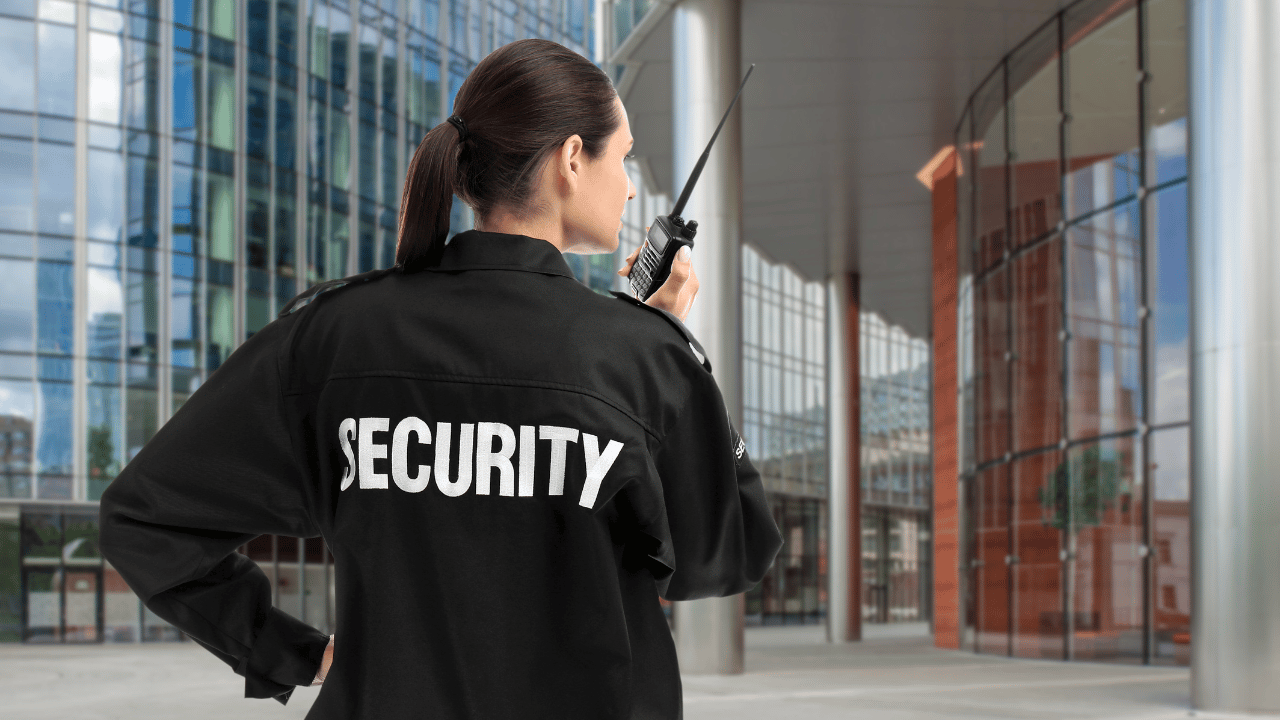
School security guards protect students, staff, and visitors at Melbourne (Melbourne) educational institutions through access control, campus patrols, and emergency response services. Educational environments require security personnel who can maintain safe learning environments while interacting appropriately with children, teenagers, and school communities. Professional school security addresses threats ranging from unauthorised visitors and trespassers to more serious concerns including violence, theft, and emergency situations.
Walton Security provides professional school security services throughout Melbourne, delivering trained guards for primary schools, secondary colleges, universities, and educational facilities. Our guards understand the unique requirements of educational environments and maintain appropriate interactions with students of all ages.
Security Challenges Facing Melbourne Schools
Melbourne schools face diverse security challenges requiring comprehensive protection strategies that balance safety with the preservation of the educational environment.
Unauthorised Access and Trespassers
Controlling who enters school grounds represents a fundamental security challenge. Schools must prevent access by unauthorised individuals while facilitating legitimate visits from parents, contractors, and community members.
Access concerns include unknown adults entering school grounds during school hours, former students or expelled individuals returning to campus, estranged parents violating custody arrangements, and after-hours trespassers accessing facilities for vandalism or theft.
Student Safety Concerns
Protecting students from external threats and internal conflicts requires constant vigilance. Schools experience incidents ranging from bullying and fights to more serious threats including stranger approaches and potential abduction attempts.
Student safety priorities include monitoring arrival and departure periods, supervising high-traffic areas during breaks, responding to student conflicts and altercations, and identifying concerning adult behaviour near students.
Theft and Vandalism
School facilities contain valuable assets including technology equipment, sporting goods, and musical instruments. After-hours break-ins target these items while vandalism damages buildings and grounds, creating repair costs and disrupting operations.
Property crime patterns include weekend and holiday break-ins targeting electronics, graffiti and property damage during unsupervised periods, theft from unlocked classrooms and storage areas, and vehicle break-ins in staff and visitor car parks.
Violence and Threat Management
While serious violence remains rare in Australian schools, institutions must prepare for various threat scenarios. Security planning addresses both everyday conflicts and potential critical incidents requiring emergency response.
Threat considerations include student fights and physical altercations, aggressive parents or visitors, threatening communications or social media posts, and emergency lockdown situations.
Event Security Requirements
Schools host numerous events including sporting competitions, performances, fetes, and community gatherings. These events bring large visitor numbers requiring event security and crowd management beyond normal school security arrangements.
Types of School Security Services
Different security approaches address varying school requirements based on institution type, risk profile, and budget considerations.
Daily Campus Security
Regular security presence during school hours provides ongoing protection through access monitoring, patrols, and visible deterrence. Daily security suits schools seeking consistent professional security presence.
Daily security functions include main entrance monitoring and visitor management, campus patrols during school hours, student supervision support in common areas, incident response and documentation, and staff and student assistance.
Before and After School Coverage
Arrival and departure periods present elevated security requirements as students move between school and transport. Security during these periods manages traffic flow, monitors student safety, and controls access transitions.
Peak period duties include traffic management and pedestrian safety, monitoring student arrivals and departures, identifying concerning vehicle or adult behaviour, and supporting staff supervision duties.
After-Hours Security Patrols
Mobile patrol services check school premises during evenings, weekends, and holidays when facilities stand empty. Patrols deter break-ins, identify damage or intrusion, and provide rapid response to alarm activations.
After-hours patrol activities include perimeter checks and gate security verification, building inspection for signs of intrusion, vandalism identification and reporting, alarm response and investigation, and holiday period enhanced coverage.
Event Security Services
School events require additional security managing crowds, controlling access, and ensuring participant safety. Event security for schools addresses sporting events, performances, open days, and community functions.
Event security functions include entry management and ticket verification, crowd monitoring and control, car park management, VIP and performer protection, and emergency response coordination.
Emergency and Temporary Security
Schools sometimes require temporary security following specific incidents or during elevated threat periods. Emergency deployment provides immediate protection while longer-term solutions are developed.
Qualifications for School Security Guards
School security demands specific qualifications and capabilities beyond standard security licensing, reflecting the sensitive nature of educational environments.
Licensing Requirements
All school security guards must hold valid Melbourne security licences issued by the Melbourne Business Licensing Authority. Licensing requires completion of Certificate II in Security Operations and current first aid certification.
Working with Children Check
Melbourne law requires all persons working in child-related work to hold a valid Working with Children Check. This screening identifies individuals unsuitable for roles involving contact with children, providing essential safeguarding protection. Melbourne law requires all persons working in child-related work to hold a valid Working with Children Check. This screening identifies individuals unsuitable for roles involving contact with children, providing essential safeguarding protection.
Working with Children Check requirements include application through Service Melbourne, national police history check, review of relevant disciplinary proceedings, and five-year validity with ongoing monitoring.
Background Screening
Beyond mandatory checks, reputable security providers conduct additional screening for school assignments. Enhanced screening may include extended reference checks, employment history verification, and assessment of suitability for educational environments.
Communication and Interpersonal Skills
School security guards interact with children of all ages, requiring age-appropriate communication skills. Guards must communicate effectively with young children, teenagers, parents, and staff while maintaining professional authority.
Essential interpersonal capabilities include age-appropriate communication with students, de-escalation skills for adolescent conflicts, respectful parent and community interaction, and collaboration with teaching staff.
Understanding Educational Environments
Effective school security requires understanding educational operations, schedules, and cultures. Guards should appreciate the balance between security and maintaining positive learning environments.
School Security Guard Duties
School security guards perform specific duties addressing educational environment requirements while supporting school operations.
Access Control and Visitor Management
Managing who enters school grounds protects students from unauthorised access while facilitating legitimate visitors. Access control forms the foundation of school security programs.
Access management duties include monitoring main entry points during school hours, verifying visitor identification and purpose, issuing visitor passes and maintaining sign-in records, escorting visitors to destinations where required, and challenging and reporting unauthorised persons.
Campus Patrols
Regular patrols observe all campus areas, detect concerning activity, and demonstrate security presence throughout school grounds.
Patrol activities include scheduled walks covering all campus areas, checking boundary fencing and gates, monitoring car parks and drop-off zones, observing student common areas during breaks, and identifying maintenance and safety hazards.
Student Supervision Support
Security guards support teachers and staff in supervising students during high-activity periods. Guards provide additional observation capacity and respond to incidents requiring security involvement.
Supervision support includes assisting during arrival and departure periods, supporting playground and common area supervision, responding to student conflicts or emergencies, and reporting concerning student behaviour to staff.
Incident Response
When security incidents occur, guards respond according to school procedures and their training. Response may involve direct intervention, summoning assistance, or coordinating emergency services.
Incident response functions include intervening in fights or altercations, managing aggressive visitors, coordinating emergency evacuations or lockdowns, providing first aid for injuries, and documenting incidents thoroughly.
Traffic and Parking Management
School traffic creates safety concerns during peak periods. Guards assist with traffic flow, pedestrian safety, and parking management to prevent accidents and congestion.
Security for Different School Types
Different educational institutions present varying security requirements reflecting student ages, campus characteristics, and operational patterns.
Primary Schools
Primary schools serve children aged approximately 5 to 12 years, requiring security approaches appropriate for young children. Young students need protection from external threats while security presence avoids creating fear or anxiety.
Primary school considerations include a child-friendly security presence, parent and carer verification at pick-up, perimeter security to prevent child wandering, and age-appropriate communication and interaction.
Secondary Schools
Secondary colleges serve adolescents aged approximately 12 to 18 years, presenting different challenges including student conflicts, substance issues, and the need for security that teenagers respect rather than resent.
Secondary school considerations include managing adolescent conflicts and tensions, substance detection and response, respectful engagement with teenagers, and social media threat monitoring support.
Universities and TAFEs
Tertiary institutions operate as open campuses with adult students, multiple buildings, and extended operating hours. University security combines access management with broader campus safety responsibilities.
Tertiary security includes 24/7 campus security operations, late-night student safety programs, mobile patrols covering extensive grounds, and event security for campus functions.
Special Schools
Schools serving students with disabilities require security personnel to understand diverse student needs. Guards must interact appropriately with students who may have communication, behavioural, or physical challenges.
Independent and Religious Schools
Private schools may have specific requirements reflecting their values, communities, and facilities. Religious schools may need security familiar with their faith traditions and community expectations.
Emergency Procedures and Lockdowns
School security guards play critical roles during emergencies, supporting evacuation procedures and lockdown protocols.
Lockdown Response
Lockdown procedures secure students and staff within buildings during external threats. Security guards support lockdowns by securing entry points, directing people to safety, and coordinating with emergency services.
Lockdown duties include securing and monitoring main entry points, directing students and staff to secure locations, preventing unauthorised entry during lockdown, communicating with administration and emergency services, and conducting all-clear verification when appropriate.
Evacuation Support
Fire alarms and other emergencies require an evacuation of the building. Guards support safe evacuation by directing movement, checking buildings, and managing assembly areas.
Evacuation support includes directing students and staff to assembly points, checking buildings for any remaining occupants, managing assembly-area security, coordinating access for emergency services, and supporting roll-call and accountability processes.
Medical Emergency Response
First aid trained security guards provide immediate response to medical emergencies on campus. Guards stabilise situations and coordinate ambulance response while school staff contact families.
Critical Incident Management
Serious incidents require coordinated response involving security, administration, and emergency services. Guards secure scenes, manage access, and support police or other responders as directed.
School Security Costs
Understanding school security costs enables institutions to budget appropriately and select suitable service levels.
Hourly Rates
| Service Type | Typical Cost |
| School Hours Security (per hour) | $40 – $50 |
| Before/After School Coverage (per hour) | $42 – $52 |
| After-Hours Patrol (per visit) | $38 – $48 |
| Event Security (per hour) | $45 – $60 |
Coverage Cost Examples
Typical school security coverage costs include full school day security (7 hours) at approximately $280 to $350 daily, before and after school coverage (3 hours) at approximately $125 to $155 daily, nightly patrol coverage at approximately $115 to $145 per visit, and term-time coverage packages negotiated based on total hours and duration.
Budget Considerations
Schools should consider security spending in context of student safety obligations, asset protection needs, insurance implications, and parent and community expectations. Many schools find security investments justified by incident-prevention benefits and community confidence.
Implementing School Security Programs
Effective school security requires systematic implementation integrating security services with school operations and culture.
Security Assessment
Professional assessment evaluates school vulnerabilities, identifies specific risks, and recommends appropriate security measures. Assessment considers physical security, operational procedures, and human factors.
Assessment elements include campus physical security evaluation, access control and perimeter analysis, operational procedure review, incident history analysis, and risk-prioritised recommendations.
Guard Selection and Induction
School security requires carefully selected guards with appropriate backgrounds and temperaments. Site-specific induction ensures guards understand school operations, policies, and expectations.
Selection and induction includes Working with Children Check verification, suitability assessment for school environments, school policy and procedure briefing, staff and key contact introductions, and ongoing supervision and feedback.
Integration with School Operations
Security guards work alongside teachers, administrative staff, and school leadership. Clear role definition and communication channels ensure effective collaboration.
Integration considerations include defined responsibilities and reporting lines, communication protocols with staff, participation in relevant meetings and briefings, and coordination with existing duty of care structures.
Community Communication
Introducing security guards to school communities requires thoughtful communication. Parents should understand security purposes and appropriate guard-student interactions.
Frequently Asked Questions
Do security guards in schools need Working with Children Checks?
Yes, all security guards working in Melbourne schools must hold valid Working with Children Checks. This requirement applies to any person engaged in child-related work, including security personnel with regular contact with students. Security providers should verify guard WWCCs before school assignments and maintain records of current check status.
Can security guards discipline students?
Security guards should not discipline students directly. Discipline remains the responsibility of teaching staff and school administration. Guards may intervene in immediate safety situations and report concerning behaviour to appropriate staff. Schools should clearly define guard authority and ensure guards understand the boundary between security intervention and student discipline.
How do security guards interact with young children?
Security guards in primary schools interact with young children in age-appropriate, reassuring ways. Guards should be friendly and approachable while maintaining professional boundaries. Interactions focus on safety and assistance rather than authority. Guards working with young children need patience, appropriate communication skills, and understanding of child development stages.
Should schools have visible or discreet security?
The appropriate security visibility depends on school circumstances and community preferences. Visible security deters potential threats and reassures parents about safety measures. Discrete security maintains normal educational atmospheres without emphasising threat concerns. Many schools use visible security at entry points with less obvious patrol presence throughout campus.
What should schools do after a security incident?
Post-incident actions should include immediate incident documentation, family notification where students are involved, staff debriefing and support, incident review identifying improvements, and communication to broader school community if appropriate. Security providers should supply detailed incident reports supporting school review processes.
How much security do schools typically need?
Security requirements vary significantly based on school size, location, student population, and specific risk factors. Small primary schools may need only arrival and departure coverage plus after-hours patrols. Large secondary colleges may require full-day security presence. Security assessments evaluate specific school characteristics to recommend appropriate coverage levels.
Can security guards search student bags?
Security guards cannot search student belongings without consent. Schools may have policies permitting consensual searches as condition of attendance, but guards should follow school procedures and involve staff in any search situations. Suspected criminal matters should involve police rather than security-conducted searches.
Professional School Security Services
School security requires guards who combine professional protection capabilities with the appropriate skills for educational environments. Walton Security provides comprehensive school security services throughout Melbourne, delivering trained guards with Working with Children Checks and experience in educational settings.
Our services include daily campus security, arrival and departure coverage, mobile patrol services for after-hours protection, and event security for school functions. We also provide asset protection services for valuable school equipment and facilities. Contact Walton Security to discuss your school security requirements. Our consultants assess your campus, understand your community, and recommend protection strategies maintaining safe learning environments for students and staff.