- 163/585 Little Collins Street, Melbourne VIC 3000, Australia

Crowd Control: Definition, Meaning, Duties, Equipment, Solutions, Procedures, Management
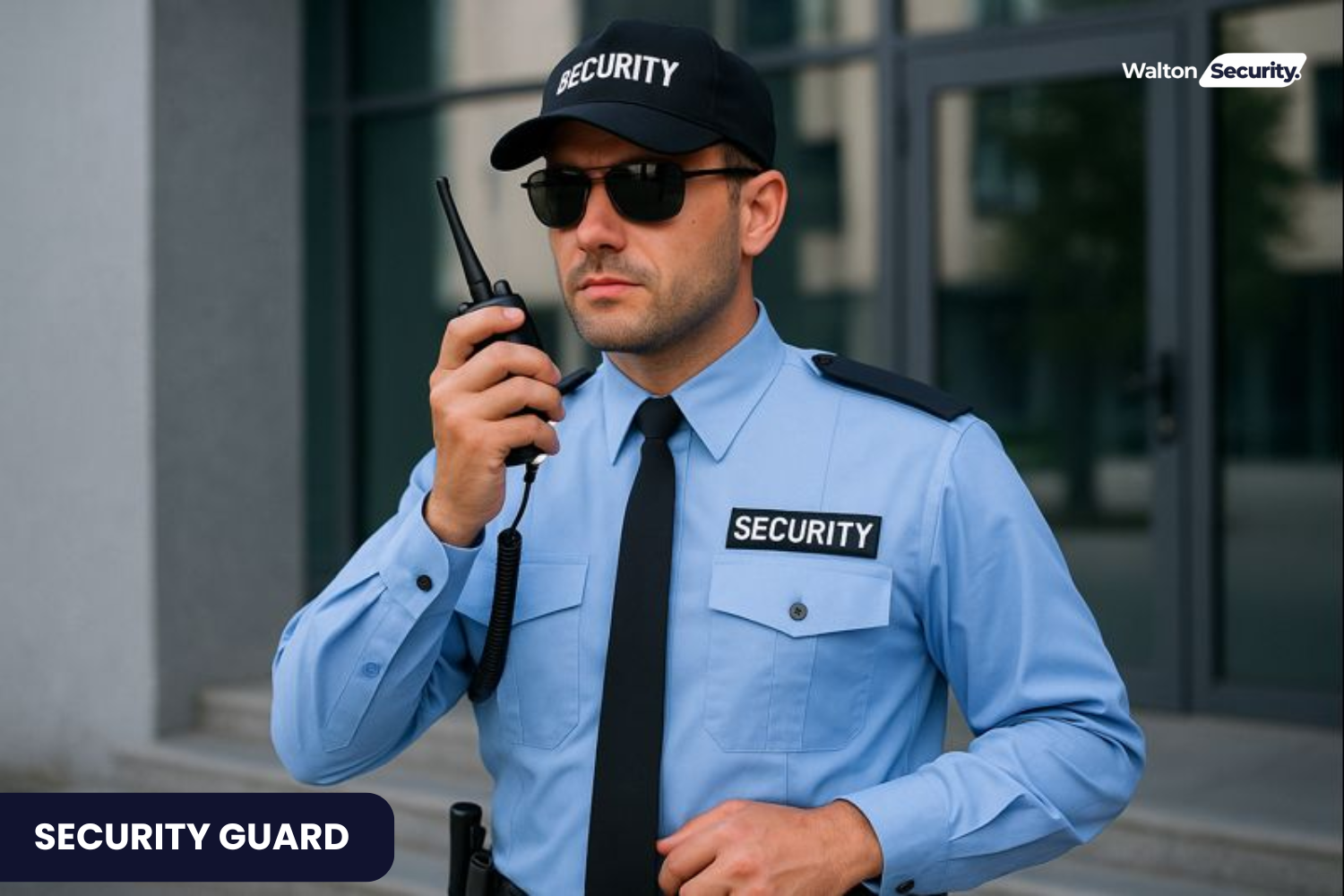
Crowd control is a specialised security function focused on managing groups of people to ensure public safety, maintain order, and prevent incidents at events, licensed venues, and public spaces. Melbourne guidance on crowd management at events establishes frameworks for safety planning that protect attendees while enabling smooth operations. Licensed crowd controllers use situational awareness, effective communication, and proactive planning to guide crowd movement, manage entry and exit points, and respond to incidents before they escalate into dangerous situations.
Crowd control security guards operate across diverse environments including concerts, festivals, sports events, nightclubs, shopping centres, and construction sites with public access. Their core duties encompass managing entry and exits, controlling queues, maintaining capacity limits, conducting screening and bag checks, monitoring crowd behaviour, and coordinating emergency evacuations. Essential equipment including crowd control barriers, radios, CCTV cameras, and metal detectors supports these functions while surveillance systems enable real-time monitoring of crowd dynamics.
This comprehensive guide examines crowd control duties, equipment, procedures, and management practices for Melbourne event organisers and venue operators. Understanding crowd management techniques, legal requirements under the Private Security Act 2004, and the benefits of professional crowd control enables informed decisions about protecting public safety while meeting compliance obligations.
What Is Crowd Control in Security?
Crowd control in security refers to the specialised management of groups of people to maintain safety, order, and smooth flow at gatherings where numbers create potential risks. Unlike static security guards protecting fixed assets or mobile patrols covering defined routes, crowd controllers focus specifically on managing human movement and behaviour in dynamic environments. This discipline requires understanding crowd psychology, crowd dynamics, and crowd behaviour patterns that differ fundamentally from individual security threats.
Crowd control operates in contexts where large numbers gather including concerts, festivals, sports events, licensed venues, shopping centres, and public gatherings. Academic and technical research on crowd management and crowd disasters identifies risk factors and control strategies that inform professional practice. Crowd controllers serve as the frontline defence against crushing, stampedes, violence, and disorder that can result when crowds are poorly managed.
How Is Crowd Control Defined in Private Security?
Melbourne’s Private Security Act 2004 defines crowd control activities requiring specific licensing. The Act identifies crowd controllers as security personnel who monitor or control behaviour for the purpose of maintaining order, screening persons entering premises, or removing persons from premises. This legal definition distinguishes crowd control from general security guarding, establishing specific training requirements and licensing obligations.
Crowd controllers must hold appropriate security licences with crowd control endorsements issued by Melbourne Police Licensing and Regulation Division. Certificate II in Security Operations provides foundational competencies while additional training covers crowd management techniques, de-escalation, and venue-specific requirements. Licensed crowd controllers wear identification displaying their credentials, enabling verification by police and venue operators.
What Is the Difference Between Crowd Control and General Event Security?
Crowd control focuses specifically on managing group behaviour and movement, while general event security encompasses broader protection including asset security, VIP protection, and perimeter control. Crowd controllers specialise in queue management, capacity monitoring, behaviour observation, and ejection of problematic individuals. General security guards may lack the specific licensing and training required for crowd control functions at licensed venues.
Events typically require both crowd control and general security services working in coordination. Crowd controllers manage entry gates, monitor crowd density, and handle intoxicated or aggressive patrons while static guards protect backstage areas and mobile patrols cover external perimeters. Understanding these distinctions ensures appropriate personnel are deployed for specific functions, meeting legal requirements and optimising effectiveness.
Why Crowd Control Matters for Events, Venues, and Public Spaces
Professional crowd control matters because it directly protects public safety, ensures regulatory compliance, enhances visitor comfort, and protects the organiser’s reputation. Unmanaged crowds present serious risks including crushing injuries, violent incidents, property damage, and compliance failures that can result in fines, licence revocation, and legal liability. Good crowd management creates smoother entry and exit experiences, better guest experiences, and reduced stress for organisers and venue managers.
Main Risks of Unmanaged Crowds
Unmanaged crowds create multiple risk categories requiring professional intervention. Overcrowding and crushing occur when density exceeds safe levels, particularly at choke points, barriers, and venue entries where crowd pressure accumulates. Bottlenecks at gates, bars, and amenities frustrate attendees and create conditions for conflict. Physical injuries from falls, crushing, and violence result when crowd movement becomes uncontrolled.
Disorder including fights, aggressive behaviour, and anti-social conduct escalates rapidly in poorly managed crowd environments. Property damage affects venues, equipment, and attendee belongings. Non-compliance with capacity limits, trading conditions, and safety requirements exposes organisers to regulatory action. Reputational damage from crowd incidents affects future event viability and venue relationships. Professional crowd control addresses all these risk categories through prevention and rapid response.
How Professional Crowd Control Improves Public Safety and Compliance
Professional crowd control improves public safety through systematic management of crowd flow, density, and behaviour. Trained controllers maintain awareness of crowd dynamics, identifying early warning signs of developing problems while they remain manageable. Controlled entry processes prevent overcrowding while capacity monitoring ensures venues remain within safe limits. De-escalation techniques resolve conflicts before they become violent.
Compliance benefits flow from using licensed crowd controllers who understand regulatory requirements. Melbourne liquor licence conditions often mandate crowd control personnel at specified ratios. Documented crowd management procedures demonstrate due diligence for duty of care obligations. Incident reporting creates records supporting regulatory compliance and liability protection. Professional crowd control enables events to proceed safely within legal frameworks.
Core Duties of Crowd Control Security Guards
Crowd control security guards perform duties grouped by interaction type, each contributing to overall crowd safety and order. These responsibilities connect directly to the security guard role while addressing the specific challenges of managing groups rather than individuals. Effective crowd controllers balance firm enforcement with customer service, maintaining order while ensuring positive experiences for compliant attendees.
Managing Entry, Exits, and Capacity Limits
Entry management controls who enters venues and at what rate, preventing overcrowding and ensuring only authorised persons gain access. Crowd controllers verify tickets, wristbands, and credentials while maintaining efficient throughput that minimises queue times. Clickers and counting systems track entries against capacity limits, triggering holds when venues approach maximum occupancy.
Exit management ensures safe departure without dangerous crowd compression at exit points. Controllers guide crowds toward multiple exits, preventing concentration at single points. Re-entry procedures verify credentials while preventing queue-jumping or unauthorised access. Capacity monitoring throughout events tracks occupancy changes as attendees move between zones or leave and return.
Queue Management and Flow at Gates, Bars, and Amenities
Queue management maintains orderly lines at entry gates, bars, food vendors, toilets, and other high-demand locations. Controllers establish queue structures using barriers and signage, direct arrivals to appropriate lanes, and manage queue-jumping attempts. Efficient queue management reduces wait times that frustrate attendees and create pressure for disorder.
Crowd flow management ensures continuous movement through venues without dangerous congestion. Controllers monitor choke points where crowds naturally compress, intervening to redirect flow when density increases. Wayfinding assistance helps attendees navigate to desired locations efficiently. Traffic flow around stages, between zones, and toward amenities requires active management during high-demand periods.
Screening, Bag Checks, and ID Checks
Screening functions detect prohibited items including weapons, drugs, alcohol, and other contraband before they enter venues. Bag searches examine contents while maintaining efficient processing that prevents queue buildup. Metal detectors and wands provide systematic screening at high-security events. Controllers explain screening requirements to attendees and handle refusals appropriately.
Identity verification confirms attendee age for licensed venues, matches tickets to purchasers for restricted events, and identifies banned individuals. Underage drinking checks verify identification for alcohol service areas. Armband and wristband systems indicate verified status, enabling efficient subsequent checks. Controllers maintain vigilance for fraudulent identification while processing legitimate attendees efficiently.
Monitoring Behaviour, Intoxication, and Potential Conflict
Behaviour monitoring identifies individuals and groups displaying concerning patterns before incidents occur. Controllers observe for aggressive behaviour, excessive intoxication, harassment, and anti-social conduct. Early identification enables intervention through presence, verbal engagement, or removal before behaviour escalates. Understanding crowd psychology helps controllers predict how individuals influence surrounding groups.
Intoxication management addresses alcohol-related risks including aggression, vulnerability, and medical emergencies. Controllers refuse entry to visibly intoxicated persons, monitor alcohol consumption areas, and arrange safe departure for persons too impaired to remain. Coordination with bar staff supports responsible service of alcohol compliance. Managing alcohol service risk represents a core crowd control function at licensed venues.
Communication, Customer Service, and Conflict De-escalation
Effective communication enables crowd controllers to guide behaviour, provide information, and resolve problems without escalation. Clear instructions delivered calmly direct crowd movement and set expectations. Active listening and negotiation skills defuse tensions while building rapport prevents adversarial interactions. Customer service orientation ensures compliant attendees receive helpful assistance alongside security functions.
De-escalation techniques resolve conflicts through verbal intervention before physical response becomes necessary. Controllers approach situations calmly, separate conflicting parties, and use problem-solving approaches that address underlying concerns. Restoring order peacefully protects controllers, attendees, and venue interests while minimising incident severity. Physical intervention remains a last resort when de-escalation fails.
Incident Response, Reporting, and Cooperation With Police or Emergency Services
Incident response follows established protocols that prioritise safety while addressing threats effectively. Controllers contain situations, protect bystanders, and summon assistance through radio communication. Escalation procedures ensure supervisors and emergency services receive timely notification of serious incidents. Medical response coordination creates access for first aid and ambulance personnel.
Incident reporting documents events for accountability, analysis, and legal purposes. Reports capture timing, locations, persons involved, actions taken, and outcomes achieved. Cooperation with police includes providing witness statements, preserving evidence, and supporting investigations. Post-event reporting enables performance review, gap identification, and improvement actions for future events.
Essential Crowd Control Equipment and Tools
Crowd control equipment supports controller duties by enabling physical crowd management, communication, monitoring, and screening. Each tool addresses specific operational requirements, and effective crowd control deploys appropriate equipment combinations based on venue characteristics and event risks.
Barriers, Fencing, and Controlled Entry Lanes
Crowd control barriers create physical structures that guide crowd movement and define boundaries. Metal barriers establish queue lanes, separate crowd zones, and protect stages from audience pressure. Temporary fencing secures perimeters and prevents unauthorised access. Belt stanchions provide flexible queuing systems suitable for indoor venues and changeable configurations.
Controlled entry lanes channel arrivals through screening points efficiently. Lane design accommodates expected volumes while preventing bypass of security checkpoints. Barrier positioning creates natural flow patterns that reduce congestion and conflict. Professional barrier deployment considers emergency evacuation requirements, ensuring barriers can be opened or removed rapidly when needed.
Radios, PA Systems, and Communication Tools
Radio communication enables constant connectivity between controllers, supervisors, and control rooms. Dedicated channels prevent interference while standardised protocols ensure clear information sharing. Earpieces enable discrete communication in noise-sensitive environments. Radio discipline maintains channel availability for priority traffic during busy periods.
PA systems deliver announcements to crowds, providing directions, safety information, and emergency instructions. Integration between security and venue PA systems enables rapid broadcast of security messages. Mobile communication devices supplement radios for coordination with external parties including police and emergency services.
CCTV, Monitoring Stations, and Body-Worn Cameras
CCTV cameras provide surveillance coverage extending controller observation beyond direct sightlines. Monitoring stations display multiple camera feeds enabling supervisors to track crowd conditions across venues. Real-time monitoring identifies developing problems while they remain manageable. Recorded footage supports incident investigation and evidence preservation.
Body-worn cameras document controller interactions, providing evidence of incidents and protection against false complaints. Camera activation during incidents captures events from controller perspective. Footage supports training, complaint investigation, and legal proceedings. Camera use follows privacy requirements and organisational policies.
Signage, Lighting, and Wayfinding
Signage communicates directions, rules, and safety information to crowds. Entry and exit signs guide movement while prohibited item notices establish expectations before screening. Wayfinding signage helps attendees navigate to desired locations independently, reducing demands on controller time. Emergency exit signage meets regulatory requirements while supporting evacuation procedures.
Lighting supports crowd control by enhancing visibility for controllers and deterring misconduct in dark areas. Adequate illumination at entry points enables effective screening. Hi-vis vests and distinctive clothing make controllers easily identifiable for attendees seeking assistance. Strategic lighting design eliminates shadows that could conceal dangerous activity.
Metal Detectors, Wands, and Search Areas
Metal detectors provide systematic screening for weapons and prohibited metal items at venue entries. Walk-through detectors process high volumes efficiently while handheld wands enable targeted secondary screening. Detector sensitivity settings balance security effectiveness against false alarm rates that slow processing.
Search areas provide appropriate spaces for detailed screening when detectors indicate or bag checks reveal concerns. Private search facilities enable thorough examination while maintaining dignity. Search procedures follow legal requirements regarding consent and conduct. Prohibited item handling follows established procedures for confiscation, documentation, and disposal or police handover.
Standard Crowd Management Procedures Before, During, and After an Event
Crowd management procedures follow a timeline from planning through execution to review, creating systematic approaches that address risks at each phase. These procedures connect to legal duty of care obligations, demonstrating that organisers and security providers took reasonable steps to protect public safety.
Pre-Event Planning and Crowd Risk Assessment
Pre-event planning begins with risk assessment identifying crowd-related hazards and control measures. Site walk-throughs examine venue layouts, identifying entry points, exit routes, choke points, and areas requiring enhanced monitoring. Crowd density calculations determine safe capacity limits for different venue zones. Historical incident data from similar events informs risk predictions.
Planning outputs include staffing plans, positioning maps, communication protocols, and emergency procedures. Coordination meetings align security, venue management, and emergency services on roles and responsibilities. Equipment requirements are identified, and procurement is arranged. Briefing materials prepare controllers for specific event characteristics and anticipated challenges.
Staffing Levels and Positioning of Crowd Controllers
Staffing ratios derive from risk assessment, venue characteristics, and regulatory requirements. Licensed venue conditions often specify minimum crowd controller numbers based on patron capacity and trading hours. Industry guidelines suggest ratios varying by event type, with higher staffing for alcohol-licensed events and high-risk gatherings. Staff rotation prevents fatigue that compromises vigilance during extended events.
Positioning places controllers at locations where their presence delivers maximum value. Entry points receive sufficient staff to process arrivals without excessive queuing. High-density areas, potential choke points, and emergency exits require dedicated coverage. Mobile controllers supplement fixed positions, enabling rapid response to developing situations. Supervisor positions enable coordination and decision-making.
Live Monitoring, Patrols, and Escalation Procedures
Live monitoring during events tracks crowd conditions through controller observation, CCTV surveillance, and capacity counting systems. Controllers report observations to supervisors who maintain overall situational awareness. Patrol routes cover areas between fixed positions, enabling detection of problems away from primary posts.
Escalation procedures define how controllers report concerns and request assistance. Clear thresholds trigger supervisor involvement, additional resources, or emergency service notification. Communication protocols ensure escalation messages receive priority handling. Decision-making authority at appropriate levels enables rapid response without bureaucratic delays.
Emergency Response and Evacuation Coordination
Emergency response procedures guide controller actions during fires, medical emergencies, violence, and other critical incidents. Controllers know evacuation routes, assembly points, and their specific roles during emergencies. Coordination with venue emergency systems ensures security response aligns with automated alerts and announcements.
Evacuation coordination moves crowds safely toward exits while preventing panic that worsens emergency situations. Controllers guide movement, maintain clear egress routes, and assist persons with mobility limitations. Emergency access routes remain clear for responding services. Post-evacuation accountability confirms all areas are cleared and attendees are accounted for.
Post-Event Debrief, Incident Analysis, and Improvements
Post-event activities begin with site clearing, ensuring all attendees depart safely and venues are secured. Incident reports are completed while events remain fresh, capturing details that support analysis and legal requirements. Equipment is recovered, checked, and stored properly.
Debriefing sessions review event performance, examining what worked well and what requires improvement. Incident analysis identifies patterns, root causes, and prevention opportunities. Recommendations feed into planning for future events. Continuous improvement through systematic post-event review enhances crowd control effectiveness over time.
Crowd Control Solutions Walton Security Provides in Melbourne
Walton Security delivers comprehensive crowd control services across Melbourne, providing licensed controllers for events, venues, and public spaces. Our solutions address the full spectrum of crowd management requirements from intimate corporate functions to large-scale festivals and sporting events.
Licensed Crowd Controllers for Events, Venues, and Public Spaces in Melbourne
Walton Security supplies licensed crowd controllers holding appropriate endorsements under Melbourne’s Private Security Act 2004. All controllers complete Certificate II in Security Operations and receive ongoing training in de-escalation, customer service, and emergency response. Controllers wear the required identification and maintain current licensing compliance.
Our crowd control teams serve festivals, concerts, sports events, nightclubs, licensed venues, shopping centres, corporate functions, and community events throughout Melbourne and regional Melbourne. 24/7 availability ensures coverage for night-time and weekend events when crowd control demands peak.
Integration With Static Guards, Mobile Patrols, and Security Monitoring
Walton Security integrates crowd control with complementary security services creating comprehensive event protection. Static guards protect backstage areas, VIP zones, and assets while crowd controllers manage public areas. Mobile patrols cover external perimeters and car parks. CCTV monitoring from our control room extends surveillance coverage and enables rapid incident identification.
Coordinated service delivery ensures seamless protection without gaps between security functions. Single-provider solutions simplify event management through unified communication, consistent standards, and clear accountability. Our supervision structure enables real-time coordination between different security elements.
Custom Crowd Management Plans for Events in Melbourne
Walton Security develops custom crowd management plans tailored to specific event characteristics and venue requirements. Our planning process includes site assessment, risk identification, staffing determination, positioning design, and procedure development. Plans address regulatory requirements while optimising resource deployment for cost-effective protection.
Post-event reporting and debriefing support continuous improvement across events. Incident documentation, performance analysis, and recommendations enhance security for recurring events. Contact Walton Security to discuss crowd control requirements for your Melbourne event or venue.
Legal Requirements and Licensing for Crowd Controllers in Melbourne
Crowd control in Melbourne operates under the Private Security Act 2004 and related regulations administered by Melbourne Police Licensing and Regulation Division. Understanding legal requirements ensures compliance while protecting organisers from liability exposure arising from unlicensed security provision.
Overview of the Private Security Act 2004 and Crowd Control Licences
The Private Security Act 2004 regulates security industry activities in Melbourne, establishing licensing requirements for crowd controllers. The Act defines crowd control as monitoring or controlling behaviour for maintaining order, screening persons, or removing persons from premises. Persons performing these functions must hold appropriate licences issued by Melbourne Police.
Melbourne’s Private Security Industry Issues Paper discusses training requirements including Certificate II in Security Operations as minimum qualification for crowd controllers. Licence applications require national criminal history checks, character assessment, and evidence of completed training. Licences specify the activities authorised and conditions of operation.
Training, Competency, and Ongoing Obligations for Crowd Controllers
Crowd controller training covers core competencies including conflict management, communication, legal powers and limitations, and emergency response. First aid certification enables response to medical incidents. De-escalation training prepares controllers for managing aggressive behaviour without unnecessary force. Ongoing professional development maintains skill currency and addresses emerging challenges.
Ongoing obligations require controllers to wear visible identification displaying licence details, cooperate with police requests, maintain behaviour standards reflecting on industry professionalism, and complete accurate records of incidents and activities. Licence renewals require updated background checks and evidence of continuing professional development.
Crowd Control Obligations at Licensed Venues and Events
Melbourne liquor licence conditions often mandate crowd controller presence at specified ratios based on venue capacity and trading hours. High-risk venues including nightclubs and late-night bars typically require higher controller ratios. Licence conditions may specify controller deployment locations, qualifications, and supervision requirements.
Using licensed crowd controllers helps organisers meet legal obligations and demonstrate due diligence for duty of care. Documentation of crowd control measures, incident responses, and controller qualifications supports compliance verification. Non-compliance with licence conditions risks fines, licence suspension, or venue closure orders.
Common Crowd Risks and How Professional Crowd Control Reduces Them
Professional crowd control addresses common risks through prevention strategies and rapid response capabilities. Understanding cause-and-effect relationships between crowd conditions and incident types enables targeted interventions that reduce harm.
Overcrowding, Crushing, and Unsafe Queuing
Overcrowding occurs when crowd density exceeds safe levels, creating crushing risks particularly at barriers, entries, and choke points. Professional crowd control prevents overcrowding through capacity monitoring, entry holds when limits approach, and active management of crowd flow. Controllers identify density buildups and intervene before dangerous compression occurs.
Queue safety requires management that prevents pushing, maintains orderly progression, and ensures emergency access. Controllers establish queue structures, manage queue-jumping, and address conflicts that develop during extended waits. Safe queuing reduces frustration that contributes to aggressive behaviour while preventing injuries from falls or crushing.
Fights, Anti-Social Behaviour, and Alcohol-Related Incidents
Fights and aggressive behaviour emerge from alcohol intoxication, crowd frustration, rival group tensions, and individual disputes. Professional crowd control reduces these incidents through visible presence deterring misconduct, early intervention with developing conflicts, and removal of aggressors before situations escalate. De-escalation techniques resolve disputes without physical confrontation where possible.
Alcohol-related incidents require controllers to manage intoxication levels through entry refusal for visibly impaired persons, monitoring of consumption behaviour, and coordination with venue staff on responsible service. Controllers arrange safe departure for highly intoxicated individuals, reducing vulnerability and preventing alcohol-fuelled incidents.
Gate-Crashing, Ticket Fraud, and Unauthorised Access
Gate-crashing attempts to bypass entry controls through rushing gates, climbing barriers, or exploiting gaps in perimeter security. Professional crowd control prevents gate-crashing through adequate controller numbers at entry points, secure barrier deployment, and rapid response to breach attempts. Perimeter monitoring identifies and addresses access attempts away from official entries.
Ticket fraud including counterfeit tickets, transferred credentials, and stolen passes requires verification systems that controllers operate effectively. Credential checking identifies fraudulent documents while maintaining efficient processing of legitimate attendees. Controllers coordinate with event management on fraud patterns and response protocols.
Panic, Evacuations, and Emergency Situations
Panic responses to perceived threats create dangerous crowd movement that can cause more harm than triggering events. Professional crowd control reduces panic through calm communication, controlled evacuation procedures, and visible controller presence that reassures attendees. Training prepares controllers to manage their own stress while providing calm direction to crowds.
Evacuation coordination moves crowds toward exits safely while preventing counter-flow and congestion at exit points. Controllers know evacuation routes, maintain clear egress paths, and direct movement according to established procedures. Emergency response coordination with venue systems and emergency services ensures aligned actions during critical incidents.
How to Choose a Crowd Control Security Company in Melbourne
Selecting a crowd control provider requires systematic evaluation against criteria that predict service quality and reliability. This practical checklist guides organisers toward providers capable of delivering effective crowd management.
Verify licensing, insurance, and certifications confirming the provider operates legally and can cover liability exposures. Request evidence of experience with similar events or venues, including case examples demonstrating successful crowd management. Assess controller quality through training programs, supervision structures, and ongoing development initiatives.
Evaluate reporting and incident documentation capabilities that support compliance verification and continuous improvement. Confirm communication protocols that keep organisers informed during events. 24/7 support availability ensures assistance when issues arise outside business hours. Local knowledge of Melbourne and Melbourne venues, councils, and regulations enhances service delivery.
Walton Security meets these criteria through licensed operations, experienced personnel, comprehensive training, detailed reporting, and deep Melbourne market knowledge. Contact Walton Security to discuss crowd control requirements for your event or venue.
Frequently Asked Questions About Crowd Control
Do Crowd Controllers Need Different Licences Than Security Guards?
Yes, crowd control requires specific licensing endorsements beyond standard security guard credentials in Melbourne. The Private Security Act 2004 defines crowd control as a distinct activity requiring appropriate licensing. Controllers must complete training specifically covering crowd management, de-escalation, and licensed venue requirements. Security guards without crowd control endorsements cannot legally perform crowd control functions.
What Is the Difference Between Crowd Control and Crowd Management?
Crowd management is the broader discipline encompassing all planning, systems, and activities for safely handling crowds at events and venues. Crowd control specifically refers to the security functions of maintaining order, screening entrants, and managing behaviour. Crowd management includes venue design, signage, and event programming alongside security elements. Crowd control is a component within overall crowd management strategies.
How Many Crowd Controllers Do I Need for My Event?
Controller numbers depend on event type, venue characteristics, expected attendance, alcohol service, and risk assessment outcomes. Licensed venue conditions may mandate minimum ratios. Industry guidelines suggest one controller per fifty to one hundred attendees for lower-risk events, increasing to one per twenty-five for high-risk gatherings. Professional providers assess specific circumstances and recommend appropriate staffing rather than applying generic formulas.
Can Crowd Controllers Physically Remove People From Venues?
Yes, licensed crowd controllers can remove persons from venues using reasonable force when necessary. The Private Security Act 2004 authorises controllers to remove persons for maintaining order or enforcing venue conditions. Force must be proportionate to circumstances and used only when verbal direction fails. Controllers receive training in safe removal techniques that minimise harm to all parties. Excessive force exposes controllers and employers to legal liability.
Are In-House Crowd Controllers or Contract Controllers Better?
Contract crowd controllers typically suit events and venues better than in-house teams due to scalability, specialist expertise, and cost efficiency. Events require variable staffing matching attendance fluctuations, while in-house teams have fixed capacity. Contract providers bring experience across many events, understanding diverse challenges and effective responses. Venues with daily crowd control needs may benefit from hybrid approaches combining permanent supervisors with contract controller teams.
How Should Crowd Controllers Handle Intoxicated Patrons?
Controllers handle intoxicated patrons through graduated responses based on intoxication level and behaviour. Mildly intoxicated persons may receive monitoring without intervention. Visibly intoxicated individuals displaying concerning behaviour receive verbal engagement assessing their condition. Heavily intoxicated or aggressive persons are removed from venues using appropriate techniques. Controllers arrange safe departure assistance and may contact police for persons too impaired to leave safely.
What Training Do Crowd Controllers Receive?
Crowd controllers complete Certificate II in Security Operations covering core competencies including conflict management, communication, legal powers, emergency response, and customer service. Additional training addresses de-escalation techniques, crowd psychology, licensed venue requirements, and first aid. Quality providers deliver ongoing professional development covering emerging challenges and refresher training on core skills. Training prepares controllers for the specific demands of managing groups rather than individual security threats.