- 163/585 Little Collins Street, Melbourne VIC 3000, Australia

Construction Site Security: Definition, Meaning, Duties, Monitoring, Requirements
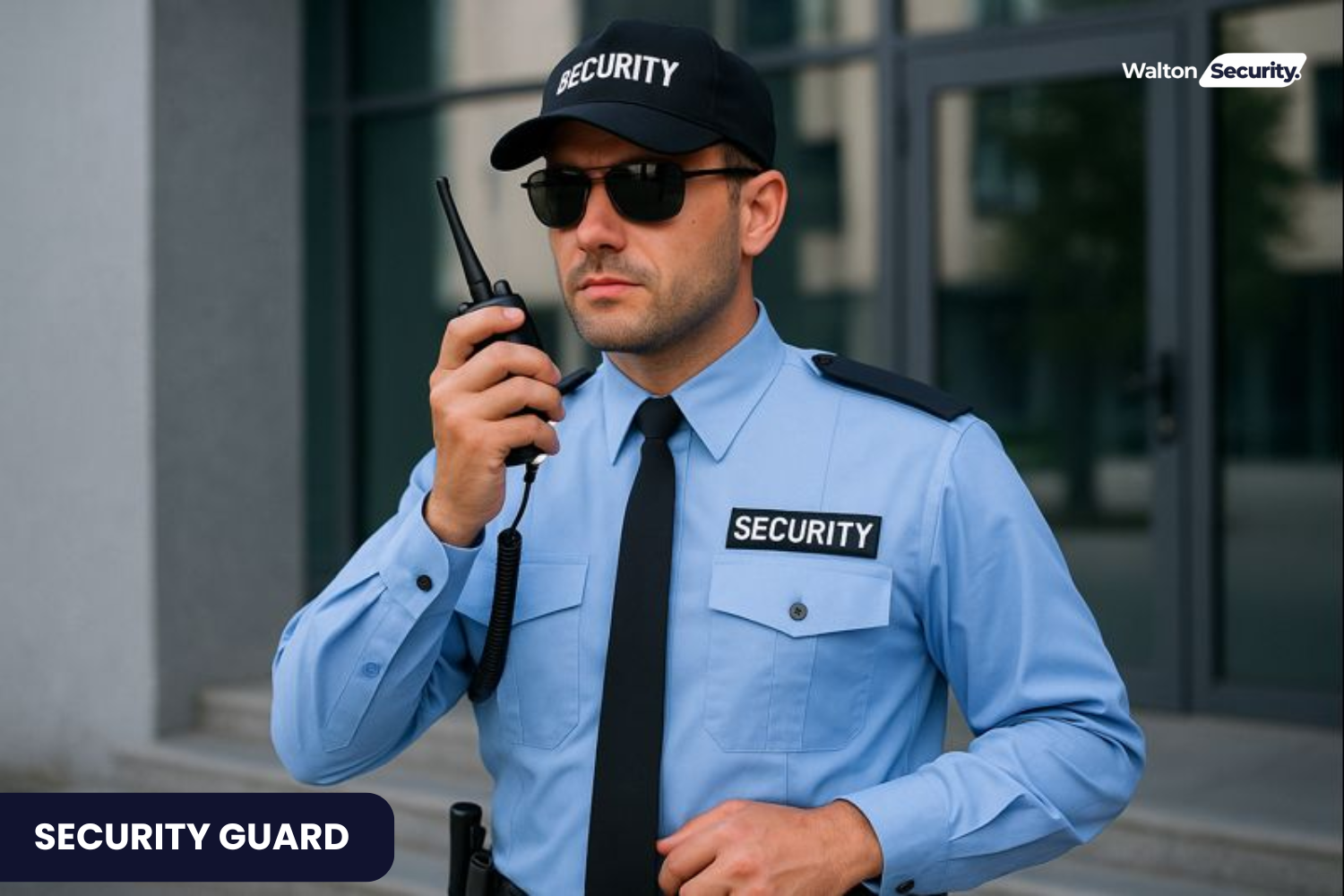
Construction site security protects valuable assets, ensures worker safety, and mitigates potential risks that threaten project timelines and budgets across Melbourne building and infrastructure developments. Research by Arthur-Aidoo et al. (2023) identifies poor perimeter control, lack of security guards, and weak lighting as primary risk factors enabling theft and vandalism on construction sites. Professional security measures including trained security personnel, video surveillance, access control systems, and mobile patrols significantly reduce criminal activity and unauthorised access at building sites.
Construction sites present unique security challenges due to their temporary nature, valuable equipment, and periods of low supervision. Tools, copper, fuel, machinery, and building materials attract thieves who exploit after-hours vulnerability and limited visibility. Security protocols combining physical guards, perimeter fencing, security lighting, CCTV surveillance, and alarm systems create multi-layered protection that deters crime while enabling rapid emergency response to theft incidents and suspicious activity.
This comprehensive guide examines construction site security duties, monitoring methods, legal requirements, and risk assessment procedures for Melbourne construction companies. Project managers, builders, and site supervisors will gain practical knowledge for implementing effective security measures that protect equipment, materials, and worker safety throughout project lifecycles.
What Is Construction Site Security?
Construction site security is the organised deployment of trained security guards, patrols, technology systems, and procedural controls to protect live or idle building sites against theft, vandalism, trespass, safety incidents, and project delays. This specialised security service addresses the unique vulnerabilities of construction environments where valuable assets remain exposed in unsecured locations. Security guards provide the central protective function, operating access control, conducting patrols, monitoring surveillance systems, and responding to emergencies across construction projects.
Construction sites contain high-value assets particularly vulnerable to criminal targeting. Tools, copper wiring, fuel, heavy plant, machinery, site cabins, and building materials represent significant financial investments that require protection throughout project duration. Farinloye et al. (2012) research on theft and vandalism control effectiveness confirms that physical security measures combined with surveillance technology substantially reduce loss incidents on building sites.
Effective construction security integrates multiple protective layers tailored to specific site characteristics and risk profiles. Static guarding at entry points controls access during work hours while mobile patrols monitor perimeters and vulnerable zones during overnight periods. Remote monitoring through CCTV towers and alarm systems extends surveillance coverage beyond guard presence, creating comprehensive protection that maintains site integrity across all operating phases.
How Do Security Guards Protect a Construction Site Day and Night?
Security guards protect construction sites through continuous presence, gate control, perimeter checks, CCTV monitoring, alarm response, detailed log keeping, and coordination with site managers and trades. Daytime security focuses heavily on access control, verifying worker credentials, checking delivery vehicles, and managing contractor entry. Guards stationed at gatehouses monitor all arrivals and departures, ensuring only authorised personnel and vehicles enter the site.
Night-time security shifts emphasis toward patrol and deterrence activities. Guards conduct regular perimeter checks, inspect storage areas, verify equipment security, and maintain a visible presence that deters criminal activity. Overnight patrols focus on high-risk zones including tool storage, fuel depots, material stockpiles, and site cabins containing valuable equipment. Guards monitor CCTV systems, respond to alarm activations, and investigate any suspicious activity detected around site boundaries.
Why Is Construction Site Security Important for Building and Infrastructure Projects?
Construction site security addresses the substantial financial and operational risks that unprotected building sites face from theft, vandalism, and unauthorised access. Equipment, copper, and materials theft costs the global construction industry billions annually, with Australian sites experiencing significant losses from tools, fuel, and metal theft. MyComply industry analysis demonstrates that construction security measures deliver measurable return on investment through reduced losses and maintained project schedules.
Theft and vandalism consequences extend beyond direct financial losses to include project delays, insurance excess payments, safety hazards from incomplete work, costly re-work requirements, and reputational damage with clients. Construction companies face increased insurance premiums following security incidents, while project delays trigger contractual penalties and client dissatisfaction. Australian construction sites face particular risks from tools and fuel theft, especially at remote or poorly lit locations lacking adequate security coverage.
What Are the Main Risks on an Unprotected Construction Site?
Unprotected construction sites face multiple risk categories that professional security measures address. Theft of tools, copper wiring, heavy plant, machinery, and fuel represents the most common and costly security breach. Organised criminal groups specifically target construction sites for high-value items including generators, excavators, and stockpiled materials that are easily transported and difficult to trace once stolen.
Vandalism, arson, and graffiti damage construction works, requiring costly repairs and cleanup before work can resume. Trespassers including curious children, homeless individuals seeking shelter, and thrill-seekers exploring incomplete structures create liability exposure when injuries occur on unsecured sites. Open excavations, scaffolding, and partially completed structures present serious hazards to unauthorised persons lacking awareness of site dangers.
Unauthorised subcontractors and deliveries bypass quality controls and create confusion about who should be on-site. Internal theft by workers with legitimate access represents a significant portion of construction site losses. Safety incidents in unsupervised areas may go unreported, compromising worker protection and regulatory compliance. Security guards prevent these risks through controlled access, regular monitoring, and immediate incident response.
What Are the Core Duties of Construction Site Security Guards?
Construction site security guards perform specialised duties addressing the unique protection requirements of building environments. Core responsibilities encompass access control at entry and exit points, credential verification for workers and visitors, patrol coverage of high-risk zones, CCTV and alarm monitoring, and comprehensive incident documentation. Guards coordinate closely with site managers, foremen, and trades to maintain security without impeding construction operations.
How Do Guards Control Access, Gates, and Visitor Entry?
Gatehouse duties form the foundation of construction site access control. Guards verify worker credentials, check identification against authorised personnel lists, and ensure all entrants have completed required site inductions. Visitor sign-in and sign-out procedures create accountability records showing who accessed the site and when. Guards issue visitor passes, arrange escorts for non-inducted visitors, and ensure all persons exit before site lockdown.
Vehicle access control includes checking delivery dockets, verifying driver authorisation, and inspecting incoming and outgoing vehicles. Guards verify that subcontractors hold valid permits and insurance documentation before granting entry. Construction site access protocols may include turnstiles, boom gates, or manual entry points depending on site configuration. Guards maintain detailed entry logs supporting accountability and investigation requirements.
How Do Guards Protect Materials, Tools, and Heavy Equipment?
Equipment protection requires systematic security protocols that guards enforce throughout each shift. Locking procedures ensure storage containers, tool sheds, and equipment compounds are secured when not in active use. Guards verify locks, check security seals, and report any tampering or forced entry attempts. Key control systems prevent unauthorised access to secured areas, with guards maintaining custody of keys during overnight periods.
Fuel storage requires particular attention due to theft attractiveness and fire hazards. Guards monitor fuel dispensing, verify authorised withdrawals, and check storage security regularly. Perimeter fencing inspections identify damage, gaps, or attempted breaches that require immediate repair. Security lighting checks ensure all areas remain properly illuminated to deter criminal activity and enable effective surveillance.
How Do Guards Handle Incidents, Emergencies, and After-Hours Activity?
Construction site security guards follow structured escalation procedures for incident management. Upon detecting suspicious activity or security breaches, guards verify the situation, record observations, and determine appropriate response actions. Standard protocols require immediate supervisor notification for significant incidents, with client contacts and police involvement for confirmed criminal activity or emergencies.
Emergency response on construction sites must account for workplace health and safety requirements. Guards understand site-specific hazards, evacuation routes, and emergency assembly points. Incident documentation captures detailed information supporting insurance claims, police investigations, and security improvement planning. Guards complete handover reports ensuring incoming shifts receive complete situational awareness of overnight events and ongoing concerns.
How Does Construction Site Security Monitoring Work in Practice?
Construction site security monitoring combines physical guard presence with technology systems including CCTV cameras, alarm systems, and remote monitoring centres. Security Magazine analysis confirms that integrated approaches using video surveillance, analytics, and guards provide superior protection for perimeter security and access control. Mobile CCTV towers and solar-powered surveillance systems enable monitoring coverage for sites lacking permanent infrastructure.
Monitoring effectiveness depends on selecting appropriate technology that matches site characteristics. Large sites with extended perimeters benefit from remote video monitoring that covers areas beyond guard patrol capacity. Smaller sites may achieve adequate coverage through static guards supplemented by alarm systems. Australian providers, including Eyesite, offer temporary building site security cameras powered by solar, with AI alerts and remote monitoring, suited to construction environments.
What Is the Role of CCTV, Remote Monitoring, and Alarm Response?
CCTV surveillance provides deterrence, evidence capture, and real-time monitoring capabilities that extend security coverage beyond physical guard presence. High-resolution cameras positioned at entry points, material storage areas, and perimeter boundaries record continuous footage supporting incident investigation. PTZ (pan-tilt-zoom) cameras enable operators to track suspicious activity and capture detailed evidence of security breaches.
Remote monitoring centres provide professional surveillance by trained operators watching camera feeds from multiple sites simultaneously. Video analytics detect motion, identify vehicles, and trigger alerts for specified events. Talk-down speaker systems enable operators to issue audio warnings to trespassers, often preventing incidents before physical security response becomes necessary. Video verification of alarm activations confirms genuine breaches before dispatching guards or police.
How Are Patrols, Checkpoints, and Logbooks Used on Site?
Guard tour systems ensure comprehensive patrol coverage through checkpoint verification at designated locations throughout construction sites. NFC, RFID, or QR code tags at strategic points require guards to scan during patrols, creating time-stamped proof of presence. Digital logbook systems replace paper records with smartphone-based documentation including photographs, GPS coordinates, and detailed observations.
Patrol routes cover high-risk areas including tool storage, fuel compounds, material stockpiles, and perimeter fencing. Guards vary patrol timing to prevent predictable patterns that criminals might exploit. Checkpoint systems generate automatic alerts when scheduled patrols are missed or delayed, enabling supervisory intervention. Digital documentation provides clients with transparent reporting demonstrating security coverage and any issues detected during shifts.
What Are the Legal, Licensing, and Safety Requirements for Construction Site Security?
Melbourne construction site security guards must hold valid security licences and work for licensed security businesses under the Private Security Act 2004. Licensing requirements ensure guards meet minimum training, competency, and character standards before undertaking security duties. Security companies bear responsibility for verifying guard credentials and maintaining compliance documentation.
Construction site security carries additional duty of care obligations under workplace health and safety legislation. Guards must understand WHS/OH&S requirements applicable to construction environments, including hazard identification, incident reporting, and emergency procedures. Security companies and construction companies share responsibility for ensuring guards receive appropriate site inductions and safety training.
What Licences and Certifications Do Construction Security Guards Need in Melbourne?
Construction site security guards require several credentials for lawful and effective site operations. Melbourne security licences issued by the Melbourne Police Licensing and Regulation Division authorise guard activities. Construction White Cards (general construction induction) are mandatory for all workers accessing construction sites, including security guards. First aid certification enables guards to respond to medical emergencies common in construction environments.
Site-specific inductions familiarise guards with hazards, emergency procedures, and operational requirements unique to each construction project. Guards may require additional certifications for specialised duties such as traffic control, confined space entry, or working at heights in certain site areas. Security companies should verify all guard credentials before deployment and maintain training records demonstrating compliance.
What Site Induction, PPE, and WHS/OH&S Rules Apply to Security Guards?
Security guards working on construction sites must complete site-specific inductions covering hazard awareness, emergency procedures, and operational protocols. Personal protective equipment requirements include high-visibility clothing, steel-capped safety boots, and hard hats when entering active construction zones. Guards must understand PPE requirements for different site areas and comply with all safety signage and access restrictions.
Working around plant and heavy equipment requires guards to maintain safe distances and follow established traffic management procedures. Guards participate in incident reporting systems, documenting safety observations, near misses, and hazards identified during patrols. WHS/OH&S compliance extends to guard welfare including fatigue management, adequate facilities access, and protection from workplace hazards during security duties.
How Should a Construction Site Security Risk Assessment Be Done?
Construction site security risk assessment follows systematic procedures to identify vulnerabilities and determine appropriate protection measures. The process begins with asset identification, cataloguing valuable equipment, materials, and property requiring protection. Site layout mapping identifies access points, perimeter boundaries, storage areas, and zones with limited visibility or natural surveillance.
Threat analysis considers criminal activity patterns, historical incidents at the site or nearby locations, and neighbourhood crime rates. Consultation with builders, foremen, and site managers provides operational context about work schedules, valuable asset locations, and previous security concerns. Risk assessment outputs define guard coverage requirements, technology deployments, and procedural controls addressing identified vulnerabilities.
Which Risk Factors Increase Theft, Damage, and Vandalism on Sites?
Several risk factors significantly increase construction site vulnerability to criminal activity. Night-time isolation when sites stand empty provides extended opportunity windows for theft and vandalism. Poor perimeter fencing with gaps, damage, or inadequate height enables easy site access. Dark corners, shadowed areas, and poor lighting create concealment opportunities that encourage criminal activity.
Easy street access without controlled entry points invites opportunistic theft. High-value materials stored openly rather than in secured containers attract targeting. Sites in high-crime areas face elevated risk requiring enhanced security measures. Remote locations lacking natural surveillance from neighbouring properties or passing traffic require additional protection. Extended project timelines increase cumulative risk exposure.
How Do Site Layout, Lighting, and Perimeter Fencing Affect Security Planning?
Site layout analysis identifies blind spots, vulnerable access points, and areas requiring enhanced surveillance coverage. Security planning addresses natural surveillance limitations through camera positioning, patrol routes, and lighting improvements. Complex site configurations with multiple buildings, excavations, and material storage areas require comprehensive coverage strategies.
Lighting plans specify illumination requirements for entry points, perimeter boundaries, storage areas, and high-risk zones. Motion-sensor lighting provides energy-efficient deterrence while alerting guards to activity in protected areas. Perimeter fencing selection considers height, construction materials, anti-climb features, and gate configurations. Access gate positioning affects traffic flow, guard visibility, and control effectiveness.
Which Security Measures Work Best for Different Types of Construction Sites?
Construction site security requirements vary substantially based on project scale, duration, asset values, and public exposure. Securitas construction security guidance outlines integrated guarding and technology approaches scaled appropriately for different project sizes. Small or short-term sites may achieve adequate protection through mobile patrol coverage and alarm monitoring, while large multi-stage projects require comprehensive static guarding, CCTV networks, and access control systems.
How Do Security Requirements Change for Residential, Commercial, and Infrastructure Projects?
Residential construction projects typically feature shorter durations, smaller footprints, and lower equipment values than commercial developments. Security requirements focus on tool protection, material security, and after-hours monitoring. Urban residential sites may benefit from natural surveillance reducing security staffing needs, while remote developments require enhanced coverage.
Commercial construction projects involve extended timelines, substantial equipment investments, and complex contractor management. Access control systems must handle high visitor volumes while maintaining security integrity. Infrastructure projects, including roads, rail, and utilities, present unique challenges with linear site configurations, multiple access points, and extended perimeters requiring mobile patrol solutions or distributed monitoring technology.
When Are Mobile Patrols, Static Guards, or Remote Towers the Best Option?
Mobile patrols suit construction sites with lower risk profiles, limited budgets, or intermittent protection needs. Patrol services provide visible deterrence and periodic inspections without continuous staffing costs. Sites benefit from patrol coverage during overnight hours when criminal activity risk peaks but constant presence proves unnecessary.
Static guards deliver continuous access control and immediate response capability for high-risk sites with valuable equipment, frequent deliveries, or active work schedules. Gatehouse guards manage daytime access while overnight static positions monitor vulnerable areas. Remote monitoring towers combining CCTV, audio warnings, and central station oversight provide cost-effective coverage for sites where physical guard presence proves impractical or cost-prohibitive.
Construction Site Security Options Comparison:
Factor | Mobile Patrols | Static Guards | Remote Towers |
Cost | Lowest | Highest | Medium |
Response Time | 15-30 minutes | Immediate | Audio immediate, physical delayed |
Best For | Small sites, overnight checks | High-value, busy access | Large perimeters, remote sites |
Coverage | Periodic visits | Continuous presence | 24/7 surveillance |
How Can Construction Site Security Be Improved Over Time?
Construction site security benefits from continuous improvement processes that adapt protection measures based on incident analysis and emerging capabilities. Regular reviews of theft attempts, near misses, and security breaches identify patterns and vulnerabilities requiring attention. Security plans should evolve throughout project lifecycles as site configurations change and different construction phases present varying risk profiles.
How Can CCTV Analytics, AI, and Remote Monitoring Strengthen Site Protection?
Artificial intelligence and video analytics enhance CCTV effectiveness through automated detection of suspicious patterns. Systems identify repeat trespass attempts, recognise vehicles casing sites, and detect human presence in restricted areas during prohibited hours. Tailored alerts notify security personnel of specific threat indicators rather than generating false alarms from irrelevant motion detection.
Talk-down speakers enable remote operators to issue verbal warnings immediately upon detecting intruders, often deterring criminal activity before guards arrive. Licence plate recognition identifies vehicles entering and exiting sites, flagging unauthorised or suspicious vehicles. Integration between analytics and guard dispatch optimises response by directing physical resources to genuine threats rather than false activations.
How Should Incident Reports Be Used to Update the Security Plan?
Incident reporting creates feedback loops enabling security improvement based on actual site experience. Analysis of attempted thefts reveals targeting patterns, vulnerable timeframes, and entry methods requiring countermeasures. Near-miss documentation captures events that could have resulted in losses, enabling preventive adjustments before successful breaches occur.
Security plan updates based on incident analysis may include modified patrol routes, adjusted guard deployment timing, enhanced lighting in vulnerable areas, additional camera coverage, and revised access procedures. Regular security reviews with site management ensure protection measures remain aligned with changing site conditions and emerging threats.
How to Choose the Right Construction Site Security Company in Melbourne
Selecting a construction site security provider requires evaluation of licensing compliance, industry experience, operational capabilities, and technology integration. Essential criteria include current master licence status with Melbourne Police, demonstrated experience protecting construction sites, 24/7 control room operations, digital incident reporting systems, and client references from similar projects. Local Melbourne and Melbourne knowledge enables effective coordination with police and understanding of regional crime patterns.
What Should Be Included in a Construction Site Security Contract and Scope?
Construction security contracts should clearly specify services, coverage hours, guard numbers, and key performance indicators. Reporting requirements define incident documentation standards, report frequency, and client portal access. Technology provisions cover CCTV systems, patrol tracking, and alarm response coordination. Emergency response protocols establish escalation procedures, police liaison arrangements, and critical incident management.
Contract scope should address guard induction requirements, PPE provision, and compliance responsibilities. Service level agreements define response time commitments and remedies for non-performance. Contract terms should allow flexibility to scale security coverage as project phases and risk levels change. Walton Security provides comprehensive construction site security contracts tailored to Melbourne project requirements with transparent pricing and defined service standards.
Why Professional Construction Site Security Protects Your Project Timeline and Budget
Professional construction site security guards and monitoring systems deliver measurable protection for project timelines and budgets. Effective security prevents theft-related delays from equipment replacement, material reordering, and productivity losses. Vandalism prevention avoids costly repairs and cleanup that interrupt work schedules. Reduced insurance claims maintain favourable premium rates for future projects.
Worker safety improvements through controlled access and hazard monitoring support WHS compliance and reduce incident-related delays. Documentation from professional security operations provides evidence for insurance claims when incidents do occur. Walton Security delivers comprehensive construction site protection across Melbourne and regional Melbourne, combining experienced guards, mobile patrols, and technology solutions to safeguard your construction investment. Contact Walton Security for a tailored construction site security assessment addressing your project requirements.
FAQs About Construction Site Security
Do Construction Security Guards Need White Cards?
Yes, construction security guards require White Cards (general construction induction) to access Melbourne construction sites legally. The White Card demonstrates completion of nationally recognised construction safety training covering hazard awareness, safety responsibilities, and emergency procedures. Security companies must verify guards hold current White Cards before deployment to construction sites.
What Is a Security Risk Assessment for Construction Sites?
A security risk assessment for construction sites is a systematic evaluation identifying valuable assets, potential threats, site vulnerabilities, and appropriate protection measures. The assessment process maps site layout, analyses crime patterns, reviews historical incidents, and consults with site management to determine guard deployment, technology requirements, and procedural controls addressing identified risks.
Is Static Guarding or Mobile Patrol Better for Construction Sites?
The choice between static guarding and mobile patrols depends on site characteristics, risk levels, and budget constraints. Static guards provide continuous access control and immediate response for high-value sites with busy entry points. Mobile patrols offer cost-effective overnight coverage for smaller sites or those with lower risk profiles. Many construction projects benefit from combined approaches using static guards during work hours and mobile patrols overnight.
How Do I Arrange Security for a New Construction Site?
Arrange construction site security by contacting licensed providers to conduct site assessments before work commences. Provide site plans, project timelines, and equipment schedules to enable accurate security planning. Providers assess risks, recommend guard deployments and technology solutions, and prepare service proposals. Security setup should be completed before valuable assets arrive on-site, with guard inductions and access procedures established from project commencement.
What Equipment Is Most Commonly Stolen From Construction Sites?
Construction site theft commonly targets items grouped into several categories. Power tools including drills, saws, and grinders represent frequent theft targets due to high value and easy portability. Copper wiring and metal materials attract organised theft rings. Fuel from equipment tanks and storage provides immediate value. Heavy plant including generators, compressors, and small excavators face theft despite size. Building materials including timber, fittings, and appliances disappear from unsecured storage.
Can Security Guards Physically Stop Thieves on Construction Sites?
Yes, security guards can use reasonable force to apprehend thieves under citizens’ arrest powers when they witness criminal offences. However, guard safety remains the priority, and most security protocols emphasise observation, deterrence, and police notification rather than physical confrontation. Guards document incidents thoroughly, preserve evidence, and coordinate with police who hold primary arrest authority. Professional security focuses on prevention rather than apprehension.
How Should Construction Sites Secure Fuel Storage?
Secure fuel storage through multiple protective measures. Position fuel tanks in well-lit areas visible to guard posts or CCTV cameras. Install lockable caps and dispensing controls preventing unauthorised access. Use tamper-evident seals that guards check during patrols. Implement fuel log systems recording authorised withdrawals with user identification. Consider relocating fuel storage to more secure locations during extended site closures. Guards should include fuel storage in regular patrol checkpoints with documented inspections.