
Mobile Security Patrols: Definition, Meaning, Responsibilities
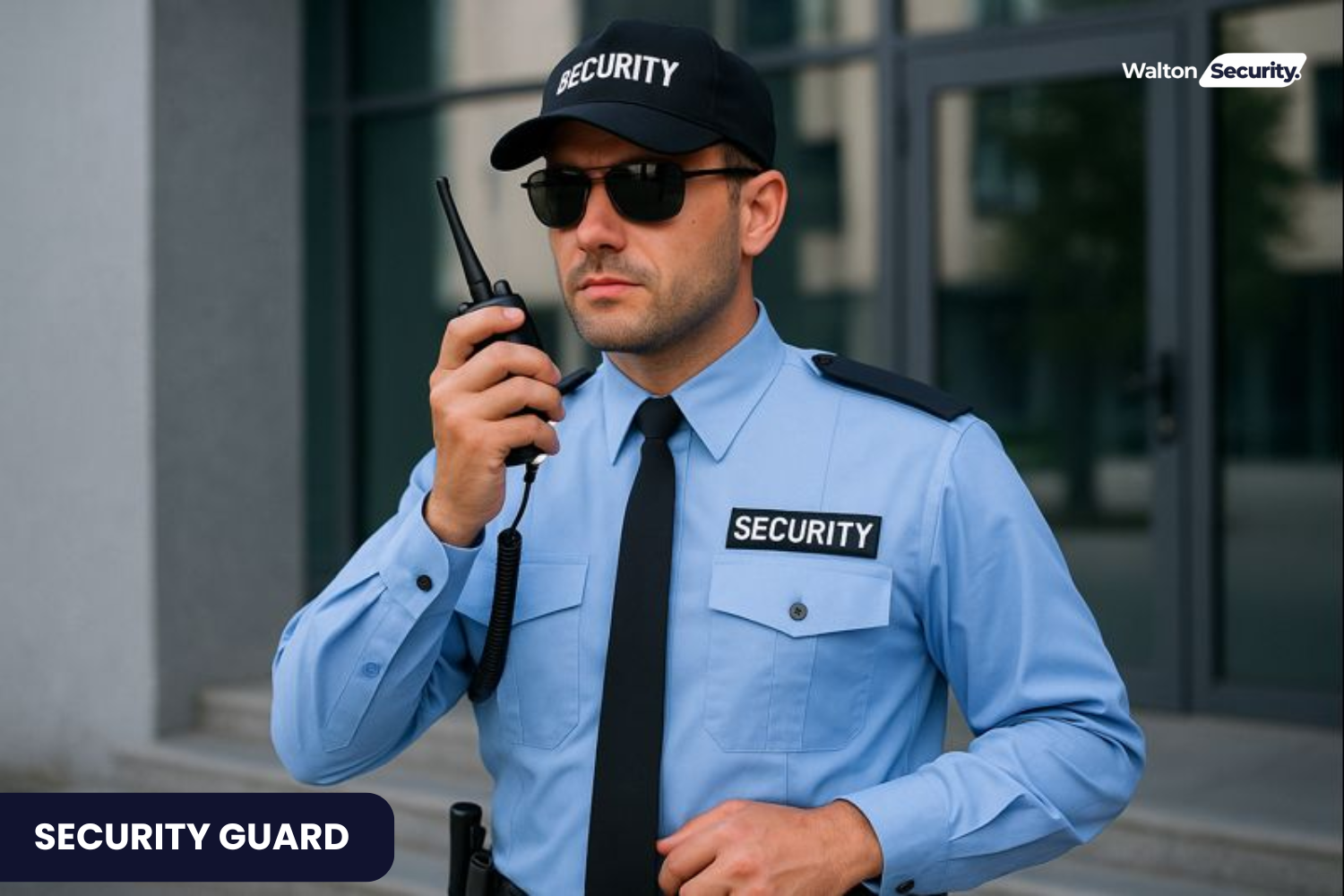
Mobile security patrols deliver flexible, cost-effective protection for Melbourne businesses requiring professional security guards to monitor multiple locations without dedicated on-site staffing. Mobile patrol security guards conduct scheduled and random site visits using patrol vehicles, performing perimeter checks, lock-up inspections, and alarm response across clients’ properties. Research on Australia’s private security sector demonstrates that guards and patrols play a growing role in preventing property crime through visible deterrence and rapid response capabilities.
Mobile patrols provide extra security and extra protection for commercial premises, warehouses, construction sites, and residential estates during vulnerable hours. Security patrol teams keep an eye on the exterior and interior of properties, identifying potential security problems before they escalate into costly incidents. Branded patrol vehicles create visual security presence that deters crime while GPS tracking and real-time incident reporting ensure accountability and transparency for clients.
This comprehensive guide explains mobile security patrol meaning, core duties, operational methods, and selection criteria for Melbourne businesses. Property managers, business owners, and facility operators will gain practical knowledge for implementing mobile patrol solutions tailored to their specific needs, delivering peace of mind through professional security coverage.
What Are Mobile Security Patrols?
Mobile security patrols are scheduled or random security guard visits to client properties using patrol vehicles, providing flexible protection coverage without permanent on-site staffing. Melbourne businesses utilise mobile patrols for after-hours monitoring, weekend coverage, and supplementary security during periods when full-time static guards prove unnecessary or cost-prohibitive. Mobile patrol security offers a budget-friendly alternative that maintains visible deterrent presence across multiple locations.
What Is the Meaning of a Mobile Security Patrol Guard?
A mobile security patrol guard is a licensed security professional who travels between multiple client sites conducting security inspections, responding to alarms, and providing visible deterrent presence. Unlike static guards stationed at single locations, mobile patrol guards cover wider territories using vehicles, enabling cost-effective monitoring of numerous properties within designated patrol routes. Mobile patrol guards perform the same core security functions as static officers but distribute their coverage across multiple locations rather than maintaining continuous single-site presence.
Mobile patrol guards operate from security operations centres that coordinate dispatch, track patrol progress, and manage incident response. Guards carry PDAs or smartphones for real-time reporting, GPS tracking verification, and communication with control rooms. Body cameras may capture evidence during incidents, while patrol vehicles display company branding to maximise visual deterrent effect during site visits.
How Do Mobile Patrols Fit Within Modern Security Guard Services?
Mobile patrols occupy a strategic position between alarm-only monitoring and full-time static guard deployment within modern security service offerings. The Australian Institute of Criminology research on guardianship theories confirms that visible patrols reduce opportunities for break-ins and vandalism by creating unpredictable security presence that potential offenders cannot easily anticipate or avoid. Mobile patrols complement electronic security systems by providing human response capability that cameras and alarms cannot deliver independently.
Security providers integrate mobile patrols with alarm monitoring, CCTV surveillance, and static guarding to create layered protection strategies. Patrol guards respond to alarm activations, verify CCTV alerts, and supplement static guards during high-risk periods. This flexibility enables Melbourne businesses to scale security coverage based on actual risk levels rather than maintaining expensive 24/7 staffing for sites with intermittent protection needs.
How Do Mobile Patrol Security Guards Operate On-Site?
Mobile patrol guards follow predetermined routes visiting multiple client sites according to scheduled or randomised patrol plans. Upon arrival, guards conduct systematic inspections covering perimeter security, access point integrity, and interior conditions where authorised. Patrol activities are documented through digital reporting systems that capture timestamps, photographs, GPS coordinates, and detailed observations for client review.
Typical mobile patrol site visits include checking doors, windows, and gates for secure closure; scanning for signs of disturbance or attempted entry; verifying alarm system status; identifying maintenance issues or safety hazards; and noting any suspicious activity or persons in the vicinity. Guards may perform locking and unlocking services, deactivating alarms for authorised contractors, or unlocking gates for scheduled deliveries. Each visit generates documented proof of attendance and findings.
What Does a Typical Mobile Patrol Shift Look Like?
Mobile patrol guards begin shifts at security operations centres, receiving briefings on route assignments, special instructions, and any reported incidents requiring attention. Guards then depart in patrol vehicles following optimised routes that maximise site coverage while maintaining unpredictable arrival patterns. Shifts typically span eight to twelve hours, with guards visiting each assigned property according to contracted frequency requirements.
Throughout shifts, guards maintain constant communication with control rooms, reporting completed site visits, requesting dispatch support for incidents, and receiving real-time updates on alarm activations or client requests. Patrol routes may change their strategies based on emerging risks, weather conditions, or special events affecting client properties. Guards complete detailed shift reports documenting all activities, observations, and any incidents requiring follow-up action.
Which Tools and Technology Do Mobile Patrol Guards Use?
Mobile patrol guards utilise sophisticated technology systems that improve monitoring, reporting, and overall site safety. Research by Rajkumar (2023) on mobile and web-based security guard patrolling systems demonstrates how technology enhances patrol management and accountability. GPS tracking provides real-time location verification, ensuring guards complete all scheduled site visits and enabling rapid dispatch for alarm response.
Guard tour systems using QR codes, NFC tags, or iBeacon technology at strategic checkpoints verify patrol completion and route adherence. Karakaya and Bostan’s research confirms that electronic guard tour systems improve auditability and oversight compared to traditional paper logs. Mobile patrol apps enable instant incident reporting with photograph attachments, GPS coordinates, and time-stamped documentation that clients can access through online portals.
In industry case studies, companies switching to mobile patrol apps reported faster response times and lower administrative costs. Body cameras capture video evidence during incidents, protecting both guards and clients through documented interactions. Patrol vehicles may include additional equipment such as spotlights, emergency lighting, and communication systems for effective night operations.
What Are the Core Duties and Responsibilities of Mobile Security Patrols?
Mobile security patrol guards perform comprehensive protection duties across client properties, combining preventive monitoring with responsive incident management. Core responsibilities encompass perimeter security, access control verification, alarm response, hazard identification, and detailed documentation of all observations and actions. Guards execute these duties systematically during each site visit, ensuring consistent coverage that addresses identified security risks.
Perimeter and Lock-Up Checks
Perimeter checks involve systematic inspection of property boundaries, fencing, gates, and external access points for signs of tampering, damage, or attempted entry. Guards examine the exterior of buildings, checking doors and windows for secure closure and noting any broken locks, forced entry marks, or suspicious damage. Lock-up verification confirms that all access points are properly secured according to site protocols.
Guards document perimeter conditions through photographs and written observations, creating records that track property status over time. Regular checks identify deteriorating security infrastructure before failures enable criminal access. Patrol teams report maintenance issues including damaged fencing, malfunctioning lights, and broken locks that require repair to maintain site security.
Alarm Response and Incident Attendance
Mobile patrol guards provide rapid response to alarm activations, investigating triggers to determine whether genuine security breaches or false alarms have occurred. Guards attend sites within contracted response times, typically fifteen to thirty minutes depending on location and service level agreements. Upon arrival, guards assess situations, secure premises if breaches are confirmed, and coordinate with police or emergency services as required.
Incident attendance extends beyond alarm response to include responding to reports of suspicious activity, trespasser sightings, or disturbances reported by neighbours or monitoring centres. Guards document all incidents thoroughly, capturing evidence through photographs, witness statements, and detailed written reports. Incident documentation supports insurance claims, police investigations, and security improvement planning.
Hazard Identification and Safety Reporting
Mobile patrol guards identify safety hazards and maintenance issues during site inspections, reporting conditions that could cause injury or property damage. Hazard identification includes detecting water leaks, fire risks, trip hazards, damaged infrastructure, and environmental concerns such as fallen trees or flooding. Early identification enables property owners to address problems before they escalate into costly emergencies.
Safety reporting extends to observations about lighting failures, security system malfunctions, and access control deficiencies that compromise site protection. Guards flag repair requirements through documented reports with supporting photographs, enabling property managers to prioritise maintenance activities. This proactive hazard detection adds value beyond core security functions.
Key-Holding and Site Access Management
Key-holding services enable mobile patrol guards to access client properties for inspections, alarm response, and authorised contractor access. Security companies maintain secure key storage with strict chain of custody protocols preventing unauthorised key use. Guards utilise held keys to conduct interior inspections, reset alarm systems, and provide access for emergency repairs outside business hours.
Site access management includes unlocking premises for scheduled deliveries, admitting authorised contractors, and securing properties after work completion. Guards verify contractor credentials before granting access and document all site entries in detailed logs. Key-holding eliminates the need for business owners to attend after-hours call-outs personally, providing convenience alongside security coverage.
Where Are Mobile Security Patrol Services Most Commonly Used?
Mobile security patrols serve diverse Melbourne property types where periodic monitoring provides adequate protection without requiring permanent guard presence. Retail precincts utilise patrols for after-hours monitoring when stores are closed and stock remains vulnerable to break-ins. Warehouse and logistics facilities deploy patrols to protect inventory, monitor loading docks, and deter organised theft targeting high-value goods.
Construction sites rely on mobile patrols for overnight security when workers depart but expensive equipment and materials remain on-site. Corporate offices engage patrols for weekend and holiday coverage when buildings are unoccupied. Strata properties and residential estates use patrol services to monitor common areas, car parks, and perimeter access points.
Educational facilities including schools and universities deploy patrols during vacation periods and overnight hours. Car parks benefit from regular patrol visits that deter vehicle theft and vandalism while providing safety presence for late-night users. Industrial estates coordinate shared patrol services across multiple tenants, distributing costs while maintaining comprehensive coverage.
Mobile Patrols vs Static Security Guards: What Is the Difference?
Mobile patrols and static security guards serve different protection needs, with distinct operational characteristics affecting their suitability for specific applications. The following comparison highlights key differences between these complementary security services.
Factor | Mobile Patrols | Static Guards |
Presence | Periodic visits at scheduled or random times | Continuous on-site presence throughout shift |
Cost | Lower cost, shared across multiple clients | Higher cost for dedicated staffing |
Response Time | 15-30 minutes for alarm response | Immediate on-site response |
Best For | After-hours coverage, multiple sites, lower-risk properties | High-traffic access points, high-value assets, continuous monitoring |
Limitations | Gaps between visits, delayed incident response | Higher expense, limited coverage area |
Many Melbourne businesses achieve optimal protection by combining mobile patrols with static guards. Static officers maintain continuous presence at primary access points during business hours while mobile patrols provide after-hours coverage. High-risk periods may warrant static guard supplementation, with patrols handling routine overnight monitoring. This integrated approach balances protection levels with budget constraints.
What Are the Benefits of Mobile Security Patrols for Businesses in Melbourne?
Mobile security patrols deliver substantial benefits for Melbourne businesses seeking professional protection without the expense of continuous on-site staffing. Key advantages include crime deterrence through visible presence, rapid incident response, comprehensive documentation supporting insurance and compliance requirements, and significant cost savings compared to static guard deployment.
How Do Mobile Patrols Help Prevent Break-Ins and Vandalism?
Mobile patrols deter crime through unpredictable security presence that potential offenders cannot easily anticipate or circumvent. Prenzler’s research on private security and public interest in Australia confirms that visible patrols contribute significantly to crime prevention through deterrence effects. Criminals observing patrol vehicles or uniformed guards during reconnaissance abandon planned offences due to increased detection risk.
Random patrol timing prevents offenders from identifying predictable windows when properties lack security coverage. Guards varying their routes and arrival times create uncertainty that discourages criminal targeting. The visible presence of branded security vehicles signals active monitoring to anyone observing properties, extending deterrent effects beyond actual guard presence during site visits.
Can Mobile Patrols Reduce Security Costs Compared to 24/7 Static Guards?
Yes, mobile patrols typically cost significantly less than equivalent static guard coverage because patrol expenses are distributed across multiple clients sharing common routes. A single patrol guard can monitor numerous properties during a shift, with each client paying proportional fees rather than full-time guard wages. This cost-effective option makes professional security accessible for businesses that cannot justify dedicated on-site staffing.
Cost savings vary based on patrol frequency, response time requirements, and additional services such as key-holding or alarm response. Businesses requiring only periodic overnight checks achieve substantial savings compared to 24/7 static coverage. Higher-risk sites may find that increased patrol frequency or supplementary static hours provide better value than maximum patrol-only coverage.
How Are Mobile Security Patrols Managed, Tracked, and Reported?
Modern mobile patrol management has evolved from paper logbooks to sophisticated digital systems providing real-time visibility and comprehensive documentation. GPS tracking monitors guard locations continuously, verifying site visits and enabling dispatch coordination for alarm response. Mobile patrol apps replace handwritten reports with time-stamped digital records including photographs, GPS coordinates, and detailed observations.
Electronic checkpoint systems using QR codes or NFC tags at strategic locations verify that guards complete full patrol routes and inspect all designated areas. Clients access patrol reports through online portals, reviewing visit times, photographs, and any noted issues. This transparency demonstrates accountability and enables verification that contracted services are delivered as specified.
Security operations centres monitor patrol progress, dispatching additional resources for incidents and ensuring coverage continuity when guards require breaks or encounter delays. Digital systems generate automatic alerts for missed checkpoints or late arrivals, enabling supervisory intervention before service gaps affect client properties. Comprehensive reporting supports insurance requirements and demonstrates due diligence in security provision.
What Training, Licensing, and Legal Standards Apply to Mobile Patrol Guards in Melbourne?
Melbourne mobile patrol guards must hold valid security licences issued by Melbourne Police Licensing and Regulation Division under the Private Security Act 2004. Licence requirements include national criminal history checks, character assessments, and completion of Certificate II in Security Operations. Guards must maintain current licences through five-yearly renewals with updated background verification.
Training encompasses core security competencies including communication, conflict management, emergency response, and legal powers and limitations. Mobile patrol guards require additional skills in vehicle operation, GPS navigation systems, and digital reporting technologies. Many employers provide supplementary training in first aid, fire safety, and customer service to enhance guard capabilities.
Mobile patrol guards operate within legal constraints distinct from police powers. Guards cannot arrest without witnessing offences and must use only reasonable force in self-defence or citizen’s arrest situations. Understanding these limitations ensures guards act lawfully while providing effective security services. Security companies maintain responsibility for verifying guard credentials and ensuring ongoing compliance.
How to Choose a Reliable Mobile Security Patrol Provider in Melbourne
Selecting a quality mobile patrol provider requires evaluation of licensing compliance, operational capabilities, reporting systems, and local experience. Essential criteria include current master licence status, 24/7 control room operations, defined response time commitments, digital reporting systems, and demonstrated experience serving similar property types in your area.
Questions to Ask a Mobile Patrol Security Company
Request verification of master licence and individual guard licensing compliance. Enquire about guaranteed response times for alarm activations and how performance is measured. Ask about reporting systems, including how quickly reports are available and what information they contain. Confirm control room operating hours and escalation procedures for serious incidents. Request references from clients with similar property types and security requirements.
Clarify service inclusions such as key-holding, interior inspections, and additional alarm responses beyond contracted patrol visits. Understand pricing structures including base patrol fees, alarm response charges, and any additional service costs. Enquire about guard supervision, training requirements, and quality assurance processes. Request sample patrol reports demonstrating documentation quality and detail.
Warning Signs of a Poor-Quality Patrol Service
Indicators of substandard patrol services include inability to verify licensing, vague response time commitments, and paper-based reporting without GPS verification. Companies lacking 24/7 control room support cannot coordinate effective incident response. Unusually low pricing may indicate corner-cutting on guard wages, training, or supervision that compromises service quality.
Poor communication, delayed report delivery, and difficulty reaching supervisors suggest operational deficiencies. High guard turnover indicates management problems affecting service consistency. Unmarked vehicles, unprofessional guard presentation, and incomplete inspections demonstrate insufficient investment in professional standards. Request site visits to observe patrol operations before committing to contracts.
When Are Mobile Security Patrols the Right Option for Your Site?
Mobile patrols suit properties requiring visible security presence without continuous on-site staffing needs. Ideal candidates include sites with defined closure periods when buildings are unoccupied, properties too large for single static guards to cover effectively, and businesses seeking cost-effective deterrence rather than maximum security coverage. Lower-risk properties in moderate-crime areas often achieve adequate protection through well-designed patrol programs.
Consider mobile patrols when security budgets cannot support static guard deployment but risk levels warrant more protection than alarm systems alone provide. Properties with intermittent high-risk periods benefit from patrols during vulnerable hours supplemented by reduced coverage during lower-risk times. Multi-site businesses managing numerous properties efficiently coordinate centralised patrol coverage rather than staffing each location independently.
Do Mobile Security Patrols Provide Enough Protection on Their Own?
Mobile patrols typically deliver best results as components within layered security strategies rather than standalone protection solutions. Effective security combines patrol services with alarm systems, CCTV surveillance, access control measures, and appropriate procedural controls. Patrols address the human response gap that electronic systems cannot fill while technology extends monitoring coverage between patrol visits.
Properties with very high-value assets, elevated threat levels, or continuous public access may require static guards supplementing patrol coverage. Risk assessments determine appropriate security layers based on specific property characteristics, threat profiles, and protection objectives. Professional security providers recommend balanced solutions matching coverage levels to actual risks rather than overselling unnecessary services.
When You Should Combine Patrols with Alarm Monitoring or Static Guards
Integrate patrol services with alarm monitoring when immediate notification of breaches enables faster guard dispatch and reduced loss exposure. Alarm-triggered patrol response provides cost-effective protection that activates full security response only when incidents occur. This combination suits properties where constant patrol presence proves unnecessary but rapid response capability remains essential.
Supplement patrols with static guards during identified high-risk periods such as cash handling times, delivery windows, or late-night hours in entertainment precincts. Construction sites may deploy static gatehouse guards during work hours while patrols monitor overnight. Retail centres often combine static guards at primary entrances with patrol coverage of car parks and external areas. Contact Walton Security to discuss tailored patrol solutions integrating appropriate service combinations for your Melbourne property.
FAQs About Mobile Security Patrols
Can Mobile Patrol Guards Enter My Property Without Permission?
No, mobile patrol guards require explicit authorisation to enter private property. Key-holding agreements grant guards access rights for contracted services including alarm response, lock-up checks, and interior inspections. Guards document all property entries in detailed logs. Without key-holding arrangements, guards conduct external perimeter checks only unless emergency circumstances require intervention to prevent harm or significant property damage.
What Is the Difference Between Scheduled and Random Patrols?
Scheduled patrols visit properties at predetermined times, providing predictable coverage that clients can rely upon for specific operational needs such as opening or closing checks. Random patrols vary arrival times unpredictably, maximising deterrent effect by preventing potential offenders from identifying safe windows for criminal activity. Most patrol programs combine both approaches, with certain scheduled visits supplemented by randomised additional checks.
Are Mobile Patrols More Effective Than CCTV Monitoring Alone?
Mobile patrols provide intervention capability that CCTV monitoring cannot deliver independently. Cameras record incidents for later investigation but cannot prevent crimes in progress, apprehend offenders, or secure breached premises. Patrols offer physical response, visible deterrence, and comprehensive site inspections detecting issues beyond camera coverage. Optimal security combines CCTV surveillance with patrol response, leveraging technology for continuous monitoring while maintaining human intervention capability.
How Often Should Mobile Patrols Visit My Property?
Patrol frequency depends on property risk levels, asset values, historical incident rates, and budget constraints. Higher-risk sites may require hourly visits during vulnerable periods while lower-risk properties achieve adequate protection with two to three nightly checks. Risk assessments conducted by professional security providers recommend appropriate frequencies based on specific property characteristics. Frequency can adjust seasonally or in response to changing threat conditions.
What Types of Properties Benefit Most From Mobile Patrols?
Properties benefiting most from mobile patrols group into several categories. Commercial properties include retail stores, shopping centres, and office buildings requiring after-hours coverage. Industrial sites encompass warehouses, factories, and distribution centres with valuable inventory. Construction sites need equipment and material protection during non-work hours. Residential properties include strata complexes, gated communities, and housing estates. Educational facilities require vacation and overnight coverage. Car parks benefit from regular patrols deterring vehicle crime.
Do Mobile Patrol Guards Carry Weapons?
No, standard mobile patrol guards in Melbourne do not carry firearms or weapons. Armed security services require separate licensing, enhanced training, and specific operational justifications typically limited to cash-in-transit and high-risk asset protection. Mobile patrol guards rely on observation, communication, deterrent presence, and coordination with police rather than armed intervention. Guards may carry defensive equipment such as torches and communication devices.
How Do I Verify That Patrols Actually Visit My Property?
Verify patrol visits through GPS tracking records, checkpoint scan logs, and time-stamped patrol reports with photographs. Quality providers offer client portal access displaying real-time patrol status and historical visit records. Request reports showing arrival times, checkpoint completions, and photographs documenting property condition during each visit. Electronic verification systems provide accountability that manual logbooks cannot match, ensuring contracted services are delivered as specified.