
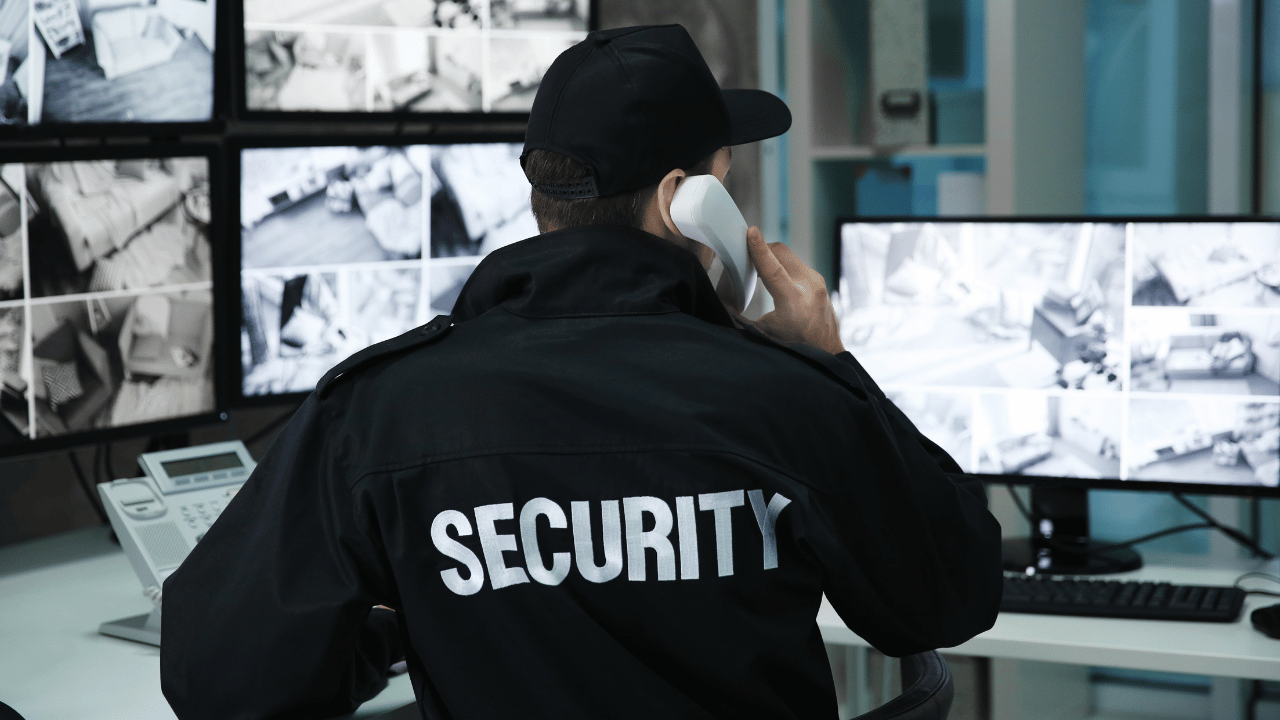
Securing a construction site requires implementing layered protection combining physical barriers, technology systems, procedural controls, and security personnel. Effective site security prevents theft of equipment and materials, reduces vandalism, maintains safety compliance, and protects project timelines. Australian construction sites lose approximately $1.5 billion annually to theft, making comprehensive security investment essential for project success.
This guide covers practical strategies for protecting construction sites throughout project phases. Walton Security provides professional construction site security services including static guards and mobile patrols throughout Melbourne, helping builders protect valuable assets and maintain project schedules.
Assess Your Construction Site Security Risks
Effective security begins with understanding specific risks facing your site. Risk assessment identifies vulnerabilities and guides appropriate protection investments.
Site Location Factors
Location significantly influences theft and vandalism risk. Urban sites in high-traffic areas face different threats than isolated rural projects. Consider crime rates in the surrounding area, visibility from public spaces and neighbouring properties, proximity to public transport enabling quick criminal access, surrounding land uses including industrial areas or residential neighbourhoods, and local police response times and patrol coverage.
Project Phase Vulnerabilities
Security risks change throughout construction phases. Early excavation and foundation work involves less valuable equipment than later fit-out stages. Risk profiles by phase include site establishment with moderate risk from plant and initial materials, structural works with high risk from accumulated tools and equipment, services rough-in with very high risk particularly for copper theft, fit-out and finishing with high risk from fixtures and specialised tools, and practical completion with elevated risk as valuable items concentrate for final works.
Asset Value Assessment
Inventory valuable items requiring protection. High-value equipment, expensive materials, and difficult-to-replace specialised tools warrant enhanced security attention. Create asset registers documenting equipment serial numbers, material quantities, and replacement values. This documentation supports security planning, insurance claims, and police reports if theft occurs.
Physical Security Measures
Physical barriers form the first line of defence, preventing or delaying unauthorised site access.
Perimeter Fencing
Robust perimeter fencing defines site boundaries and creates access control points. Fencing options include temporary mesh fencing suitable for lower-risk sites with basic deterrence, solid hoarding blocking visibility and providing climbing barriers, chain-link with barbed wire for industrial sites requiring visibility, and anti-climb fencing with specialised designs preventing scaling. Install fencing with minimal gaps, secure posts firmly, and ensure gates match fence security levels.
Access Point Control
Limit entry points to the minimum necessary for operations. Access control measures include lockable gates with quality padlocks or electronic locks, vehicle barriers preventing ram-raid entry, turnstiles or controlled pedestrian gates for worker entry, and intercom systems enabling visitor verification. Single controlled entry points simplify security management.
Secure Storage Solutions
Protect portable valuables in secure storage rather than leaving them accessible on site. Storage options include shipping containers providing robust lockable storage, site sheds with reinforced doors and quality locks, caged compounds for larger equipment requiring secure enclosure, and lockable tool boxes for individual worker equipment. Proper storage dramatically reduces theft opportunities and supports asset protection objectives.
Lighting Installation
Adequate lighting deters criminals preferring darkness and enables surveillance effectiveness. Lighting strategies involve illuminating perimeter fencing and access points, lighting equipment storage and high-value material areas, using motion-activated lights to conserve power and draw attention, and ensuring CCTV coverage areas receive sufficient illumination.
Technology-Based Security Systems
Technology extends security capability beyond physical barriers and human presence, providing detection, deterrence, and evidence collection.
CCTV Surveillance Systems
Video surveillance monitors site activity, deters criminal behaviour, and captures evidence supporting prosecution and insurance claims. CCTV deployment considerations include camera positioning covering entry points, storage areas, and high-value zones, weatherproof housings suitable for construction environments, night vision capability for after-hours monitoring, remote viewing enabling off-site surveillance, and recording systems with adequate storage capacity.
Alarm Systems
Intrusion detection alarms alert security personnel and authorities to unauthorised access. Alarm system components include perimeter breach detection on fencing or entry points, motion sensors in protected areas, door and window contacts on storage units, loud sirens deterring intruders and alerting neighbours, and monitoring service connection for professional response.
GPS Tracking on Equipment
GPS trackers on valuable equipment enable recovery if theft occurs and deter criminals knowing items can be traced. Tracking deployment priorities include earthmoving equipment and heavy machinery, generators and compressors, specialised tools and survey equipment, and vehicles and trailers. Concealed tracker installation prevents removal by knowledgeable thieves.
Security Personnel Deployment
Human security presence provides active protection, immediate response capability, and deterrence that technology alone cannot match.
Static Security Guards
Guards stationed on site provide continuous protection during assigned periods. Static guards suit high-risk sites with significant asset values justifying dedicated personnel costs. Static guard functions include controlling site access and verifying credentials, monitoring CCTV and alarm systems, conducting regular site patrols, responding immediately to incidents or intrusions, and coordinating with police and emergency services.
Mobile Patrol Services
Mobile patrol services provide cost-effective security through regular site visits rather than continuous presence. Patrol service benefits include lower cost than static guards for equivalent coverage periods, unpredictable timing creating uncertainty for potential offenders, multiple site coverage during single patrol shifts, and alarm response capability when integrated with monitoring.
Determining Security Requirements
| Site Risk Level | Recommended Security | Typical Cost |
| Low | Periodic mobile patrols | $80-$150/night |
| Medium | Multiple nightly patrols | $150-$300/night |
| High | Static overnight guard | $400-$550/night |
| Very High | 24/7 static coverage | $800-$1,200/day |
Procedural Security Controls
Procedures establish consistent security practices regardless of who is present. Well-designed procedures become habitual, maintaining protection standards throughout projects.
Site Access Procedures
Controlled access ensures only authorised persons enter sites. Access procedures should include pre-registration of expected workers and visitors, credential verification at entry points, sign-in and sign-out recording all site attendance, visitor escort requirements for non-workers, and vehicle registration and parking controls.
Equipment and Material Management
Tracking equipment and materials enables theft detection and supports recovery efforts. Management procedures encompass maintaining equipment registers with serial numbers and photographs, conducting regular inventory checks comparing records to physical items, documenting material deliveries and usage, investigating and reporting discrepancies promptly, and marking tools and equipment with identifying information.
End-of-Day Lockdown Procedures
Consistent lockdown procedures ensure sites are properly secured each day regardless of which workers finish last. Lockdown checklist items include securing all tools and equipment in storage, locking storage containers, sheds, and compounds, closing and locking all gates and access points, activating alarm systems, verifying lighting systems are operational, and completing lockdown confirmation documentation.
Weekend and Holiday Security
Extended closure periods present maximum vulnerability. Approximately 67% of construction site theft occurs during weekends when sites stand unattended.
Weekend Security Measures
Weekend protection requires heightened attention given the extended vulnerability window from Friday afternoon to Monday morning. Weekend security strategies include enhanced lockdown procedures on Fridays, removing or securing portable high-value items, increasing patrol frequency during weekend nights, considering static guard coverage for high-risk weekends, and early Monday inspections identifying any incidents.
Public Holiday Periods
Extended holiday closures, particularly Christmas and Easter periods, create prolonged vulnerability requiring enhanced protection. Holiday period measures involve maximum security configuration before closure, removing valuable items from site where practical, daily patrol checks throughout closure periods, static guard coverage for high-value sites, and post-holiday comprehensive site inspection.
Responding to Security Incidents
Despite prevention efforts, incidents may occur. Prepared response minimises impact and supports recovery.
Immediate Response Actions
Discovering theft or vandalism requires systematic response protecting evidence and enabling investigation. Immediate response steps include securing the scene without disturbing evidence, contacting police to report the incident, notifying site management and security providers, documenting damage and missing items, and photographing the scene before cleanup.
Police Reporting Requirements
Report all theft incidents to police regardless of value. Police reports support insurance claims and contribute to crime statistics informing resource allocation. Police reporting information includes detailed descriptions of stolen items with serial numbers, estimated values of stolen items, time window when theft could have occurred, evidence of entry method and perpetrator activity, and CCTV footage if available.
Security Review and Improvement
Incidents provide learning opportunities. Review security effectiveness and implement improvements preventing recurrence. Post-incident review questions include how did perpetrators gain access, what security measures failed or were bypassed, were procedures followed correctly, and what improvements would prevent similar incidents.
Frequently Asked Questions
What is the most effective way to secure a construction site?
Layered security combining physical barriers, technology, procedures, and personnel provides the most effective construction site protection. No single measure eliminates theft risk, but integrated approaches create multiple obstacles deterring and detecting criminal activity. Perimeter fencing, secure storage, CCTV, alarms, access controls, and security patrols working together deliver comprehensive protection exceeding any individual measure.
How much does construction site security cost?
Construction site security costs vary widely based on risk level and protection intensity. Basic mobile patrol coverage costs $80 to $150 per night. Static overnight guards cost $400 to $550 per night. Technology investments including CCTV and alarms range from $3,000 to $15,000 for installation plus ongoing monitoring fees. Most sites achieve adequate protection spending $500 to $2,000 weekly, with high-risk projects investing significantly more.
Should I use security guards or just cameras for my construction site?
Combining security guards with cameras delivers superior results to either approach alone. Cameras provide evidence and monitoring capability but cannot physically prevent theft in progress. Guards provide immediate response and active deterrence but cannot observe all areas continuously. Most construction sites benefit from both mobile patrols and camera systems.
How can I prevent copper theft from my construction site?
Copper theft prevention requires enhanced measures during electrical and plumbing rough-in phases. Strategies include accelerating installation schedules to minimise exposure time, installing copper as late as practical in construction sequence, considering copper alternatives where code-compliant, increasing security coverage during high-risk phases, removing scrap copper promptly, and marking copper with identification enabling recovery.
What should I do if my construction site is broken into?
Discovering a break-in requires systematic response. Avoid disturbing the scene before police inspection. Contact police immediately to report the incident. Notify your security provider and site management. Document damage and missing items with photographs. Secure the site against further intrusion. Contact your insurer promptly. Review CCTV footage for evidence.
Are construction site security guards worth the cost?
Security guards prove cost-effective for most construction sites given theft statistics and potential losses. A single prevented theft incident often exceeds weeks of security patrol costs. Sites with security presence experience 60% to 75% fewer theft incidents than unprotected sites. Beyond theft prevention, guards provide access control, safety monitoring, and emergency response capability.
How often should mobile patrols check my construction site?
Optimal patrol frequency depends on site risk level. Low-risk sites in safe areas may need only one to two checks nightly. Medium-risk sites benefit from three to four patrol visits. High-risk sites or those with recent incidents may warrant hourly patrols approaching static coverage intensity. Weekend nights and holiday periods warrant increased frequency.
Professional Construction Site Security
Securing construction sites effectively requires comprehensive approaches combining physical measures, technology, procedures, and professional security personnel. Walton Security provides construction site security services throughout Melbourne, including static guards and mobile patrol coverage tailored to project requirements.
Our experienced guards understand construction environments, access control requirements, and the specific security challenges facing building sites. We also provide asset protection services for high-value equipment and materials. Contact Walton Security for a complimentary construction site security assessment. Our consultants evaluate your specific risks and recommend cost-effective protection strategies keeping your project on schedule and within budget.