Hospital Security Guards Melbourne: Healthcare Security for Patients, Staff and Public

Hospital security guard

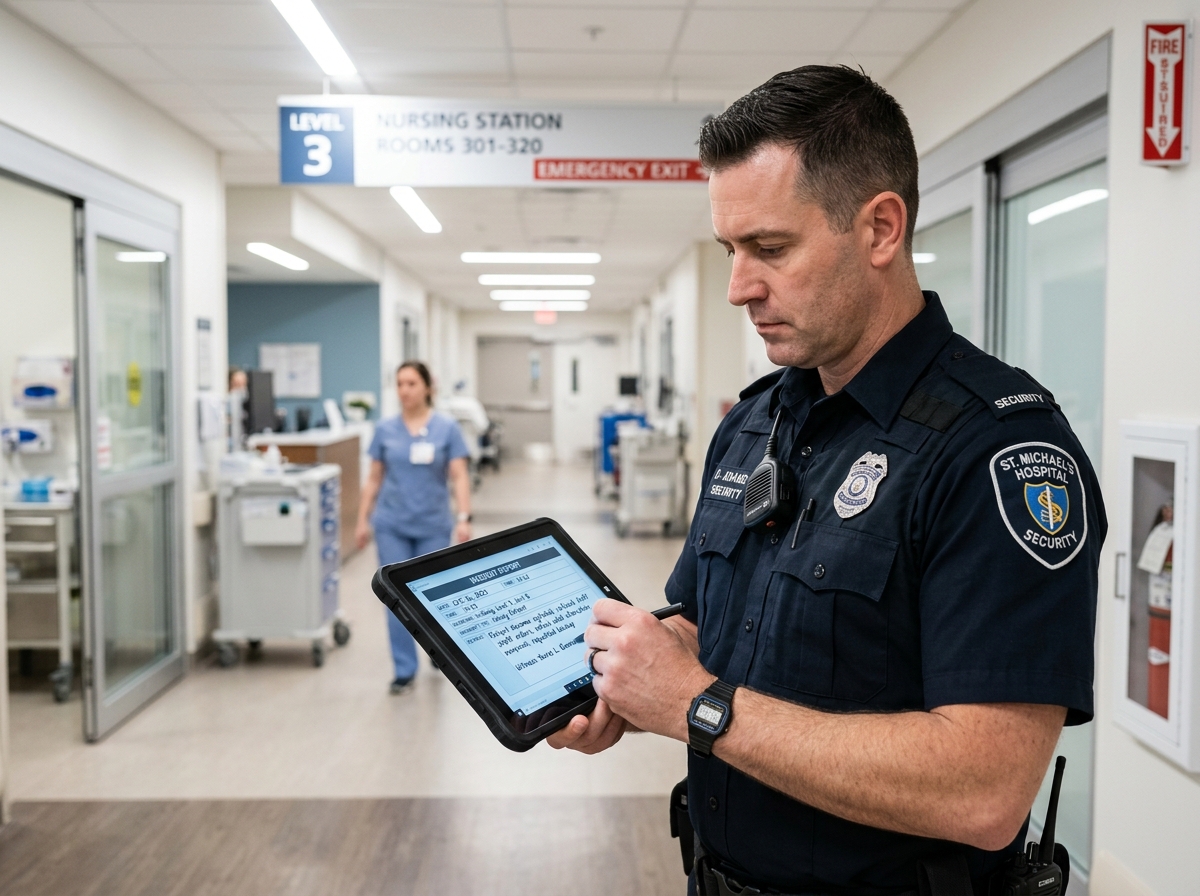
Hospital security guards are licensed officers trained to protect patients, staff, and visitors in healthcare settings where public access is constant and emotions often run high. Walton Security supplies healthcare security across Melbourne and Victoria for hospitals, clinics, aged care homes, and mental health units, balancing safety with the calm a care environment needs.

Healthcare security is its own discipline. A guard here manages aggressive or distressed people without escalating a medical situation, controls drug-storage and restricted-ward access, and supports clinical staff during a code grey without becoming the incident. Every Walton officer holds a current Victorian Private Security Licence, first aid certification, and training in de-escalation.

Walton holds ISO 9001, ISO 45001, and ISO 14001 certification, and our guards work under active supervision around the clock. Hospitals never close, so cover runs 24/7 across emergency departments, wards, car parks, and reception. Getting the balance right between security and compassion is what separates a healthcare guard from a general one.

This page explains the specific risks hospitals face, the areas we cover, guard training and duties, how we work alongside clinical teams, pricing, and the questions healthcare managers ask before engaging a provider.

Why healthcare settings need specialist guards

Hospitals carry risks few other sites face, and they run every hour of every day. Emergency departments see intoxicated patients, distressed families, and occasionally violent presentations, often at 3 am with skeleton staff. A guard who can defuse that without force protects patients and clinicians alike.

Access control is equally demanding. Drug storage, maternity, paediatric, and mental health areas all need controlled entry, while the front doors must stay open to the public. Balancing openness with protection takes a guard who understands the clinical environment, not just a locked door.

The stakes are personal, not just financial. A security failure in a hospital risks patient safety, staff wellbeing, and public trust, which is why healthcare guarding demands specific training. That training maps to specific areas of the site.

secure area

Areas we secure in healthcare sites

Coverage spans the whole facility, with each zone carrying a distinct risk. Walton guards protect:

Emergency departments

Emergency departments: managing aggression, intoxication, and crowding safely.

Wards and restricted units

Wards and restricted units controlling access to maternity, paediatric, and mental health areas.

Drug and equipment storage

Drug and equipment storage preventing theft of medication and assets.

Car parks and grounds

Car parks and grounds keeping staff safe on late shifts and deterring theft.

Reception and entrances

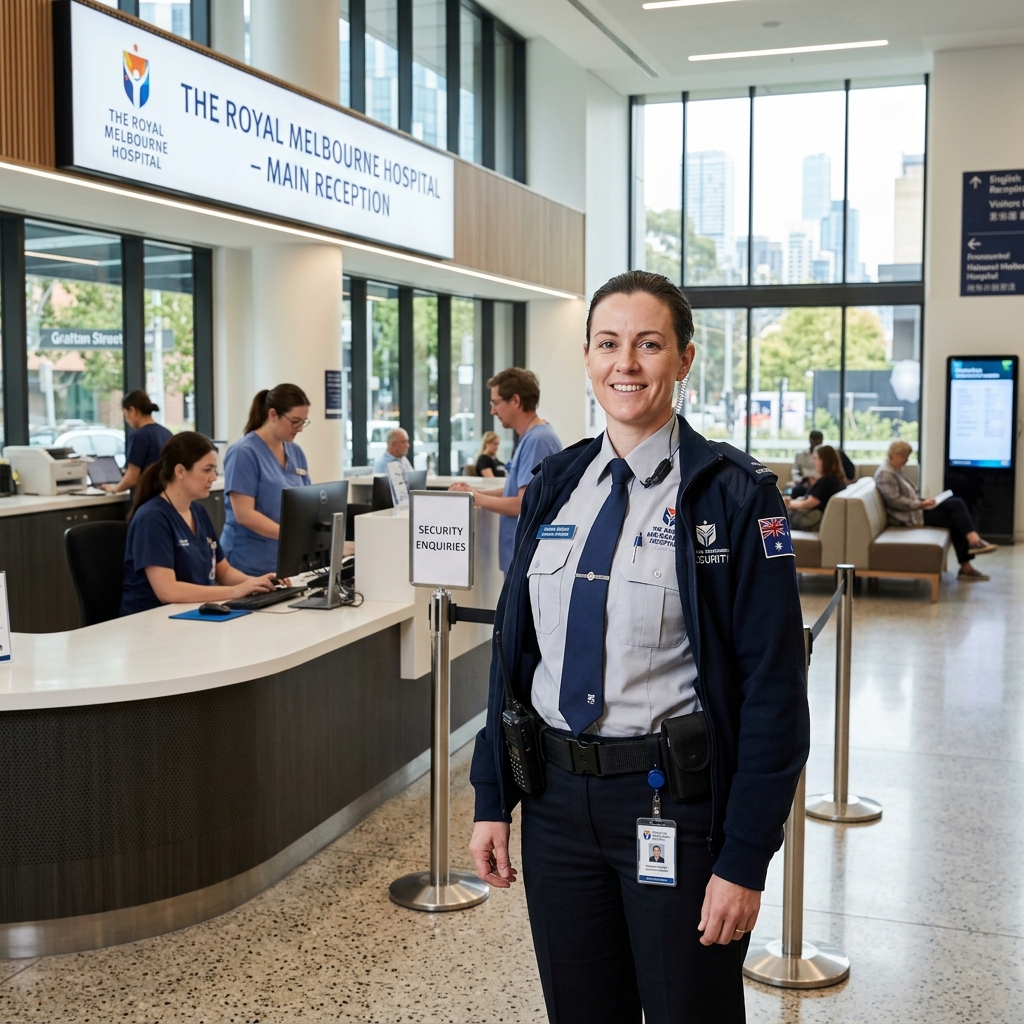
Reception and entrances screening visitors and directing the public calmly.

duties

Training and duties of hospital guards

Hospital guards carry credentials and skills beyond the general licence, because the setting demands it. Every officer is equipped to:

De-escalate

De-escalate

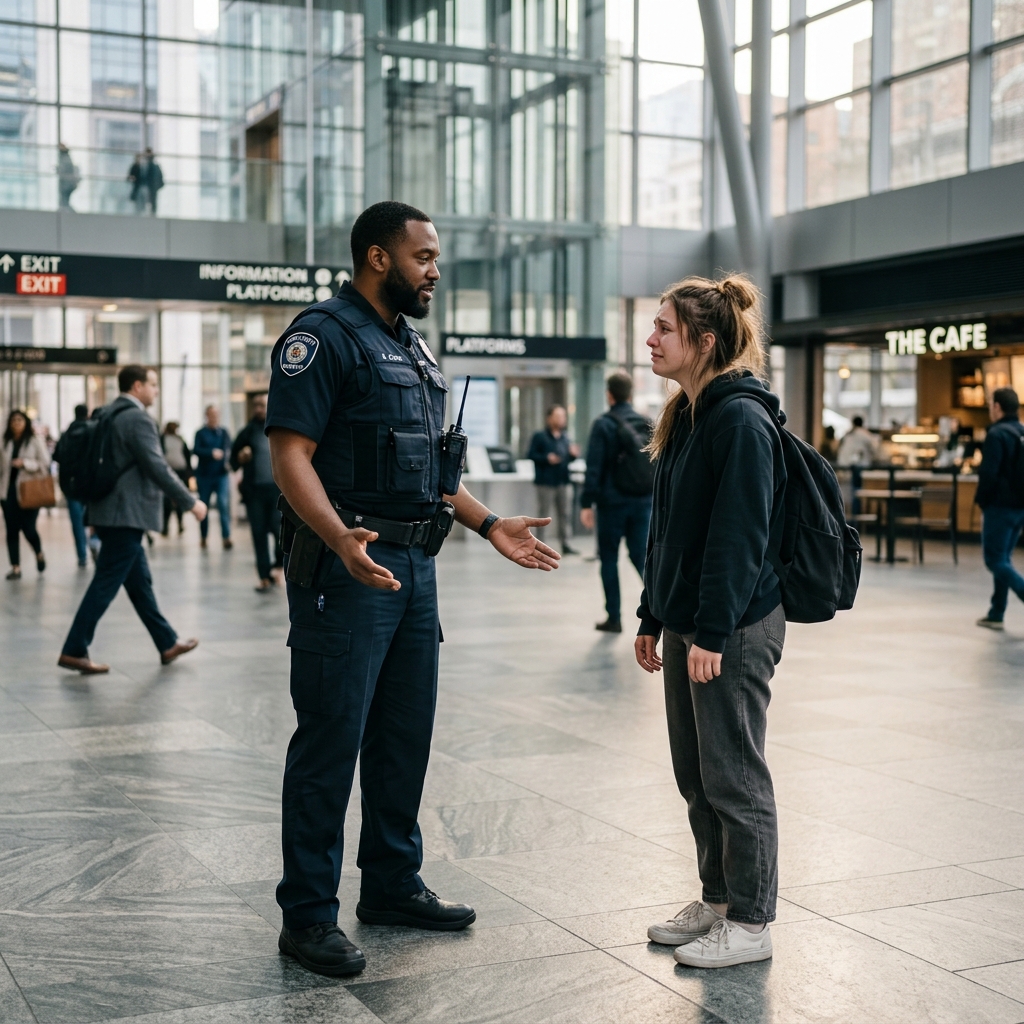
De-escalate aggressive or distressed people without physical force where possible.

Get a Quote
Support

Support

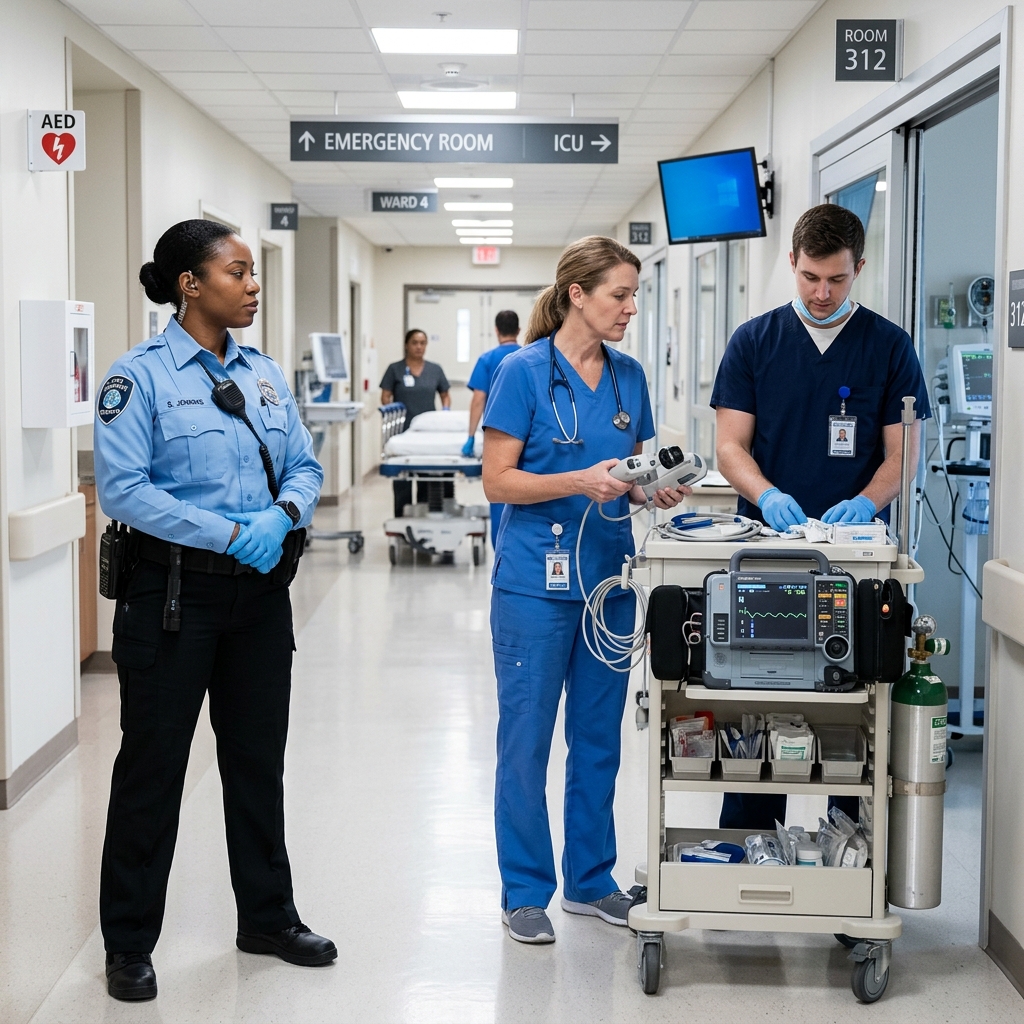
Support clinical staff during a code grey or a violent incident.

Get a Quote
Administer

Administer

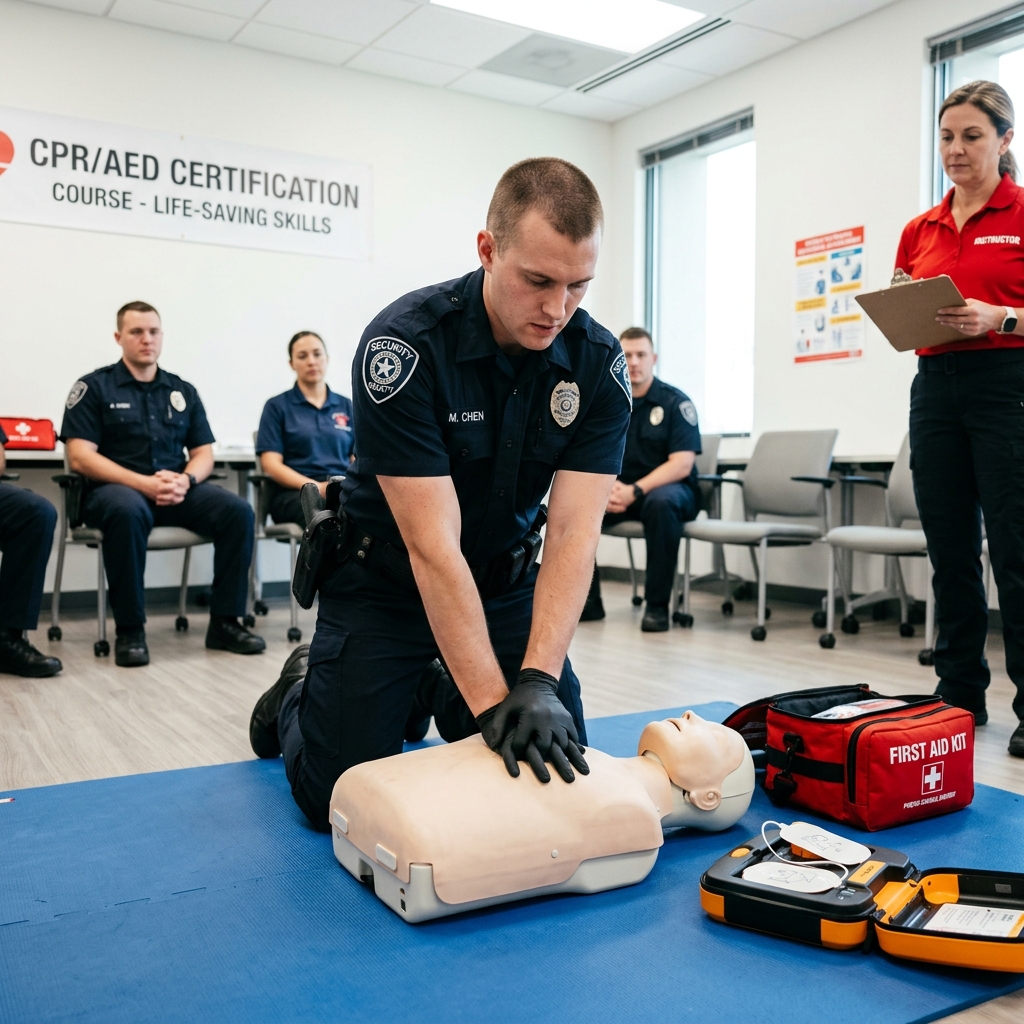
Administer first aid and CPR until medical help arrives.

Get a Quote
Control

Control

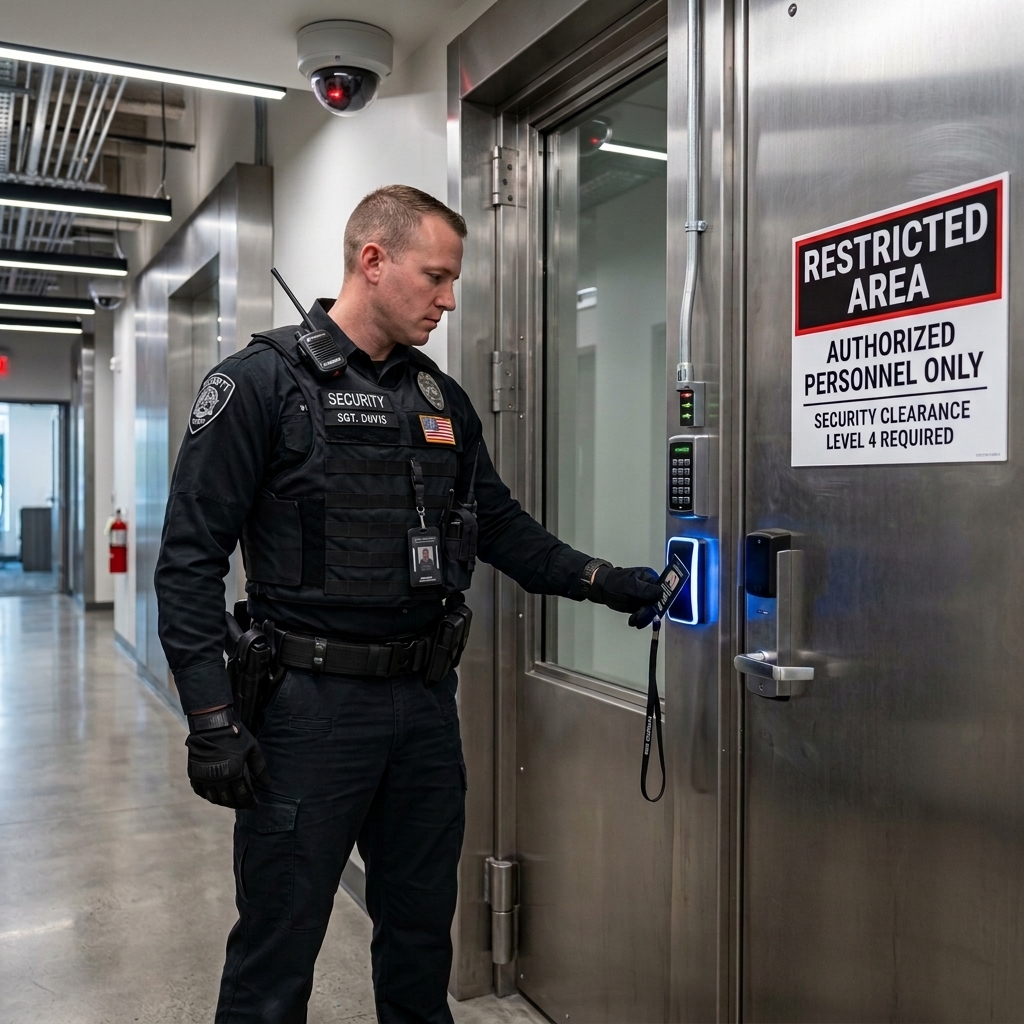
Control access to restricted wards and storage areas.

Get a Quote
Document

Document

Document every incident for clinical, legal, and insurance records.

Get a Quote
managemants

Managing aggression and occupational violence

Aggression is the daily reality of healthcare security, and managing it without force is the core skill. Emergency departments record high rates of occupational violence against staff, from verbal abuse to physical assault, often fuelled by pain, alcohol, drugs, or mental distress.

Walton guards are trained to read the warning signs early and defuse a situation before it escalates. Body language, tone, and positioning do most of the work, so a confrontation rarely reaches physical contact. When it does, guards use only reasonable, trained restraint and record every detail.

Recognise

01

Recognise escalation cues before a situation turns physical.

Get a Quote

Position

02

Position to protect staff and patients without cornering the aggressor.

Get a Quote

Communicate

03

Communicate calmly to de-escalate and buy time.

Get a Quote

Restrain

04

Restrain only as a last resort, within legal limits.

Get a Quote

Document

05

Document the incident for clinical, legal, and safety review.

Get a Quote


Pricing

Pricing for hospital security

Pricing for hospital security

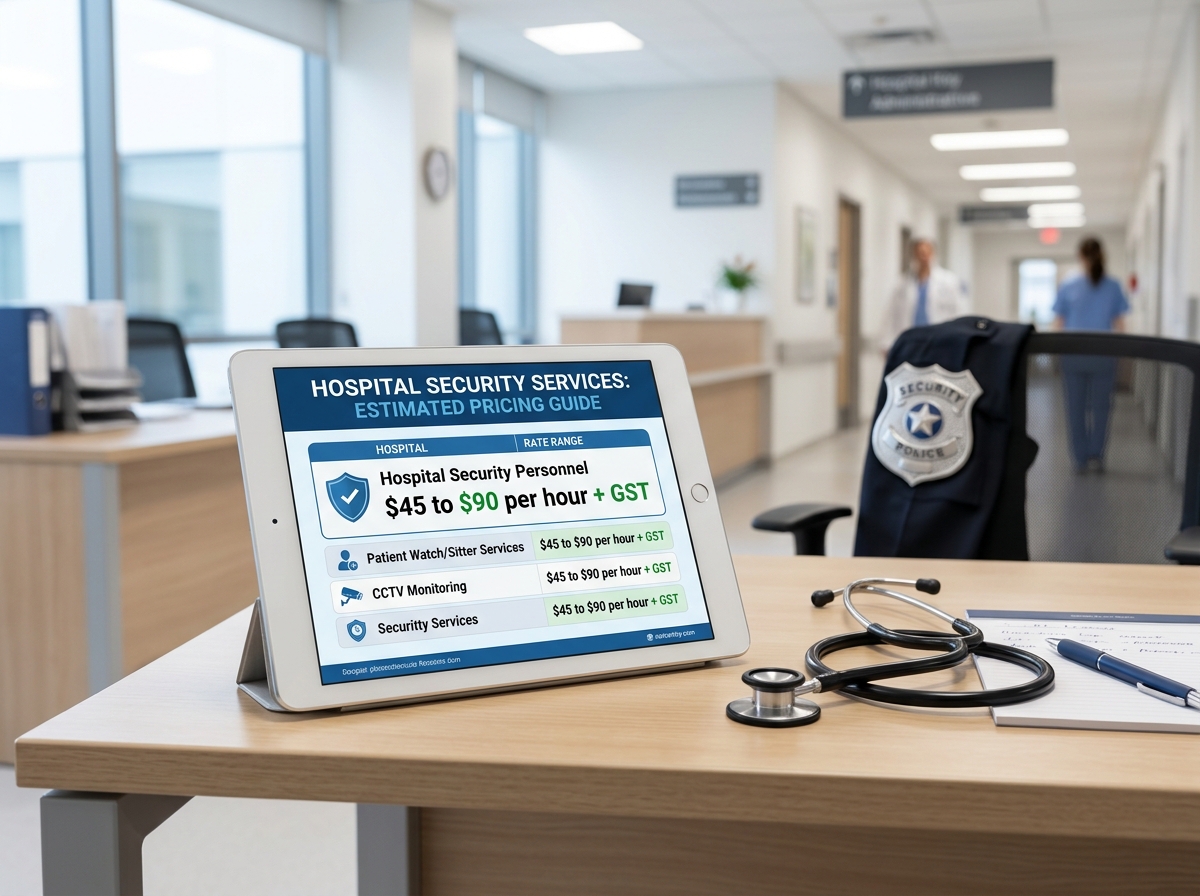
Pricing reflects the specialist training and the round-the-clock cover healthcare demands. Melbourne guarding runs $45 to $90 per hour plus GST in 2026, with experienced healthcare officers toward the upper end of that range.

Cost drivers include the number of posts, whether cover is 24/7, the mix of static guards and patrols, and the level of de-escalation experience required. Under the Security Services Industry Award, overnight and weekend shifts carry penalty loadings, and hospitals typically need continuous cover across several zones. We build the quote around your facility’s actual posts and hours.

Continuous multi-zone cover is a larger engagement than a single guard, so we scope it carefully. The FAQs address the common questions.

Got Questions?

Frequently Asked Questions

Do hospital security guards need special training?

Yes. Hospital guards need de-escalation, first aid, and mental health awareness training beyond the standard licence. They manage distressed and aggressive people in a clinical setting without escalating a medical situation, which general guarding doesn’t require.

Do you provide 24/7 security for hospitals?

Yes. Walton provides round-the-clock cover across emergency departments, wards, car parks, and reception. Hospitals never close, so we staff continuous shifts with static guards and patrols under active supervision.

Can guards help during a code grey?

Yes. Guards support clinical staff during a code grey, managing safety while the medical team treats the patient. They follow the facility’s protocols and take direction from clinicians rather than acting independently.

Are female guards available for maternity and paediatric areas?

Yes. Walton provides licensed female officers for maternity, paediatric, and sensitive patient contact. Female guards conduct same-gender interactions with dignity and often de-escalate distressed patients more effectively.

How much does hospital security cost?

Hospital security costs $45 to $90 per hour plus GST in 2026, with experienced healthcare officers toward the higher end. Continuous multi-zone cover and after-hours penalty loadings shape the final figure, which we scope per facility.

Do your guards work with our clinical protocols?

Yes. Guards learn each facility’s protocols and post instructions, including how codes are called and when to intervene. They support the clinical team’s decisions rather than overriding them, keeping care first.

Can you secure aged care and mental health units?

Yes. Walton secures aged care homes and mental health units with guards trained in patient safety and controlled access. The approach prioritises calm, dignity, and de-escalation suited to vulnerable residents.

How do guards handle violent patients?

Guards de-escalate first and restrain only as a last resort, within legal limits and under clinical direction. Training focuses on reading warning signs early and calming a situation before it turns physical, protecting patients and staff alike.

Do hospital guards carry weapons?

No. Walton hospital guards are unarmed, relying on de-escalation, presence, and trained restraint. A weapon has no place in a care setting, where the priority is calming distressed people rather than confronting them.

Can you provide security for clinics and medical centres?

Yes. Walton secures day clinics, medical centres, and specialist practices alongside major hospitals. The cover scales to the site, from a single reception guard at a clinic to continuous multi-zone cover at a large hospital.

How quickly can guards be deployed to a hospital?

Walton can often deploy healthcare guards within a day for urgent cover, such as a staffing gap or a specific patient risk. Ongoing cover is rostered in advance so posts are staffed consistently across every shift.

Hospital security guards protect patients, staff, and the public in a setting where safety and compassion have to coexist, from the emergency department to restricted wards and car parks. Walton Security supplies trained, licensed healthcare officers across Melbourne and Victoria, working alongside clinical teams around the clock. Call 03 9970 8701 or arrange healthcare security built around your facility’s zones and hours.